
 简体中文
简体中文 English
 Español
News
Countertop Display Refrigerator vs Upright Display Fridge: Which Is Better?
Countertop Display Refrigerator vs Upright Display Fridge: Which Is Better for Commercial Use?
With the growing demand for commercial refrigeration equipment in cafes, convenience stores, bakeries, and retail shops, buyers often face a key question: should you choose a countertop display refrigerator or an upright display fridge? Each type offers different advantages in capacity, placement, visibility, and operating cost. This comparison guide explains the key differences and helps buyers select the most suitable option.
What Is a Countertop Display Refrigerator?
A countertop display refrigerator is a compact cooling unit designed to sit on counters or tabletops. It is typically used for impulse purchases and quick-access items such as beverages, desserts, yogurt, and packaged snacks. Its small footprint makes it ideal for limited spaces and point-of-sale areas.
Main Features
Small size and lightweight structure
Designed for counter placement
Fast customer access and high product visibility
Best for low to medium storage volume
What Is an Upright Display Fridge?
An upright display fridge is a floor-standing vertical refrigeration unit with larger internal capacity and multiple adjustable shelves. It is commonly used in supermarkets, retail stores, and food service operations where higher storage and display volume are required.
Main Features
Large vertical storage capacity
Multiple shelf layers
Suitable for high traffic environments
Used as primary display refrigeration
Key Differences: Small Display Fridge Comparison
Size and Capacity
Countertop units are compact and suitable for limited product ranges. Upright models provide significantly more storage and are designed for full product lines.
Installation Space
Countertop refrigerators require only counter space. Upright fridges require dedicated floor area and clearance for ventilation.
Product Visibility
Countertop models are placed closer to eye level at checkout areas, improving impulse sales. Upright models offer broader product visibility across multiple shelves.
Energy Consumption
Countertop display refrigerators generally consume less power due to smaller cooling volume. Upright display fridges consume more but offer better cost per stored unit.
Mobility
Countertop units are easier to move and reposition. Upright units are heavier and usually installed in fixed positions.
Purchase Cost
Countertop refrigerators usually have lower upfront cost. Upright models require higher initial investment but support higher sales volume.
Best Use Cases for Countertop Display Refrigerators
Countertop display refrigerators are best suited for point-of-sale and limited space scenarios where quick access and impulse buying matter most.
Typical Applications
Cafe checkout counters
Bakery dessert displays
Bar beverage stations
Convenience store add-on sales areas
Best Use Cases for Upright Display Fridges
Upright display fridges are designed for primary refrigerated merchandising where product variety and storage volume are priorities.
Typical Applications
Supermarkets and grocery stores
Retail beverage sections
Restaurant storage display
High-volume food service operations
Cost Comparison: Investment and Running Expense
Initial Purchase
Countertop display refrigerators are more budget-friendly and suitable for small businesses. Upright display fridges require larger capital investment.
Operating Cost
Countertop units use less electricity per unit but store fewer products. Upright units have higher total energy use but better efficiency per storage volume.
Common Buying Mistakes When Choosing a Display Refrigerator
Ignoring Placement Space
Buyers sometimes choose upright models without confirming available floor space or ventilation clearance.
Overestimating Capacity Needs
Small stores may purchase oversized upright units when a countertop model would be more efficient.
Not Matching Use Scenario
Impulse-sale products perform better in countertop units, while core inventory belongs in upright fridges.
Quick Selection Guide
Choose a Countertop Display Refrigerator If
You have limited space
You sell impulse purchase items
You need flexible placement
You want lower upfront cost
Choose an Upright Display Fridge If
You need large storage capacity
You display many product types
You run a high-traffic retail environment
You need primary refrigerated merchandising
Market Trend: Combined Display Strategy
Many modern retail stores now use both countertop and upright display refrigerators together. Upright units handle main inventory, while countertop units focus on high-margin or promotional items near checkout areas. This combined strategy improves visibility and increases average order value.
Conclusion
There is no single best choice between a countertop display refrigerator and an upright display fridge. The better option depends on available space, product range, customer flow, and sales strategy. Businesses that match equipment type to usage scenario typically achieve better merchandising performance and energy efficiency.
You May Also Like
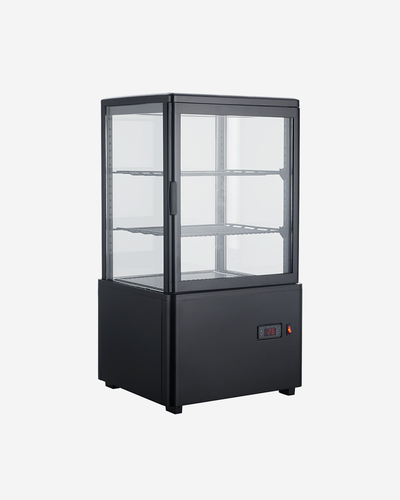
.jpg?imageView2/2/w/500/h/500/format/jp2/q/100 "Four Sides Glasses Display Cooler")
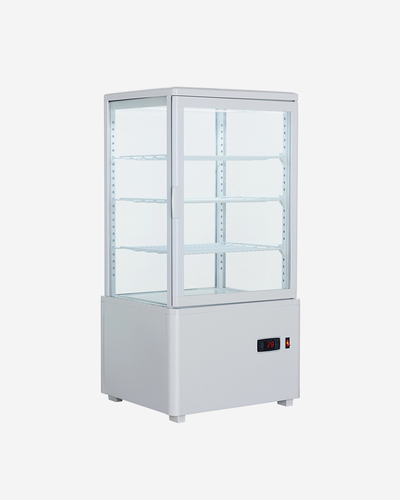
.jpg?imageView2/2/w/500/h/500/format/jp2/q/100 "White 4-Sided Glass Refrigerated Display Case")
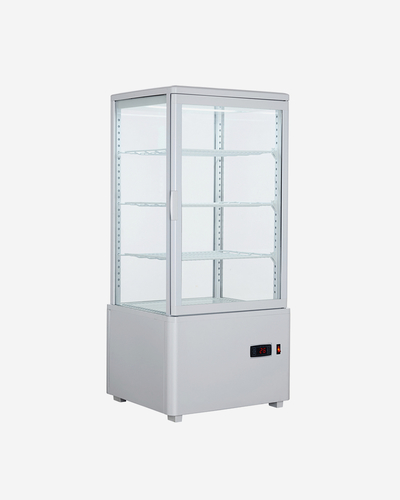
.jpg?imageView2/2/w/500/h/500/format/jp2/q/100 "Refrigerated Display Cake Countertop Four Sides Glasses Display Cooler")
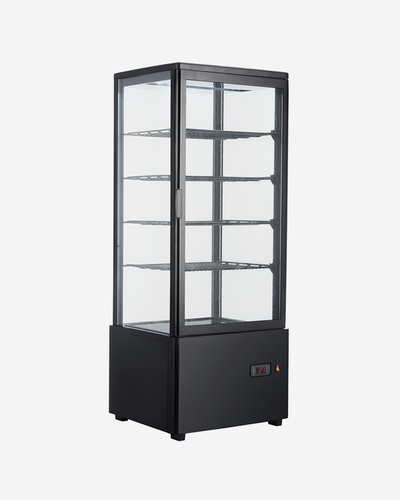
.jpg?imageView2/2/w/500/h/500/format/jp2/q/100 "Four Sides Glasses Display Cooler")

-
- Navigation
- Home
- About Us
- Products
- News
- Contact Us
 East Zone, Guanhaiwei Industrial Park, Cixi City, Ningbo, Zhejiang, China
 +86-574-63668678
 +86-574-63668108
Copyright © Ningbo XiangChi Electrical Co.,Ltd All Rights Reserved.
