
 简体中文
简体中文 English
 Español
News
Is an Energy-Efficient Countertop Display Refrigerator the Ultimate 'Silent Salesman' to Boost Your Retail Impulse Sales?
Foodservice operators, cafés, bakeries, delis, and convenience stores share a common challenge: how to showcase fresh, appealing products while keeping operating costs under control. The energy-efficient countertop display refrigerator has emerged as one of the most practical solutions to this problem. Compact enough to fit on a counter or checkout station, yet powerful enough to keep perishable goods at safe temperatures, these units combine merchandising appeal with meaningful reductions in electricity consumption. This article explores what makes these refrigerators efficient, how they work, the business case for adopting them, and what buyers should look for before making a purchase.
What Is a Countertop Display Refrigerator?
A countertop display refrigerator is a small-footprint cooling unit built to sit directly on a counter, checkout station, or shelf rather than on the floor. Unlike bulky reach-in coolers or walk-in refrigeration systems, these units are designed for visibility as much as for cooling. Their curved or flat glass panels allow customers to see the products inside, which makes them popular for displaying beverages, desserts, sandwiches, dairy products, and grab-and-go snacks in cafés, bakeries, convenience stores, salons, and office break rooms.
Because they occupy limited counter space, these refrigerators are typically compact, holding anywhere from one to five cubic feet of product. Despite their small size, they must maintain consistent, food-safe temperatures throughout the day, often in warm environments near ovens, espresso machines, or direct sunlight from storefront windows. This is where energy efficiency becomes especially important: a poorly insulated or inefficient unit will struggle to maintain temperature and will consume far more electricity trying to compensate.
Why Energy Efficiency Matters for Display Refrigeration
Refrigeration equipment tends to run continuously, 24 hours a day, 365 days a year. Unlike ovens or dishwashers that cycle on only when needed, a display refrigerator's compressor and lighting are almost always active to keep food safe and visually appealing. Over the course of a year, this constant operation can make refrigeration one of the largest contributors to a small business's electricity bill.
An energy-efficient countertop display refrigerator addresses this by reducing the amount of power required to maintain a stable internal temperature. The savings may seem small on a daily basis, but they accumulate significantly over months and years, especially for businesses running multiple units.
The Financial Case
Consider a small bakery running three countertop display refrigerators. A standard, older-generation unit might consume roughly 3 to 4 kilowatt-hours per day, while a modern energy-efficient model can often operate on closer to 1.5 to 2.5 kilowatt-hours per day, depending on ambient temperature, glass type, and compressor technology. Multiplied across three units, over a full year, that difference can translate into hundreds of dollars in avoided electricity costs — money that can instead be reinvested in ingredients, staffing, or store improvements.
The Environmental Case
Beyond direct cost savings, reduced energy consumption lowers a business's carbon footprint. Many jurisdictions and corporate sustainability programs now track energy use per square foot of retail space, and refrigeration is frequently flagged as a high-impact category. Choosing efficient display refrigeration equipment is a straightforward way for a business to demonstrate environmental responsibility to customers, landlords, or sustainability auditors.
Core Technologies That Improve Energy Efficiency
Not all countertop display refrigerators are created equal. Several engineering choices separate a genuinely efficient unit from a conventional one.
1. Compressor Design
The compressor is the heart of any refrigeration system, responsible for circulating refrigerant and removing heat from the interior cabinet. Older units often use fixed-speed compressors that run at full power regardless of actual cooling demand, wasting energy once the target temperature is reached. Modern energy-efficient countertop display refrigerators increasingly use variable-speed or inverter compressors, which adjust their output based on real-time cooling needs. This means the compressor works harder when the door is opened frequently or ambient temperatures rise, and idles at lower power once the interior stabilizes — much like how a car uses less fuel cruising at a steady speed than accelerating repeatedly.
2. LED Interior Lighting
Because display refrigerators are meant to showcase products attractively, lighting is essential. Traditional fluorescent lighting generates significant heat, which the compressor then has to work harder to remove. LED lighting produces a fraction of the heat output of fluorescent tubes while delivering brighter, more even illumination. Switching to LED lighting alone can meaningfully reduce a unit's overall energy draw, since less heat means less compensating refrigeration work.
3. Insulation Quality
Countertop units have limited wall thickness compared to larger refrigeration equipment, so insulation quality matters enormously. High-density polyurethane foam insulation, properly sealed door gaskets, and low-emissivity glass coatings all help minimize heat transfer from the surrounding environment into the cooled cabinet. Better insulation means the compressor cycles less often, directly reducing energy consumption.
4. Glass and Door Configuration
Display refrigerators typically use curved or flat glass fronts, and sometimes glass on multiple sides for full visibility. Double-pane or triple-pane glass with an insulating air gap (sometimes filled with inert gas) significantly reduces heat gain compared to single-pane glass. Some energy-efficient models also incorporate anti-fog or anti-condensation glass treatments, which prevent moisture buildup that can otherwise obscure product visibility and force the compressor to work harder to manage internal humidity.
5. Electronic Temperature Controls and Sensors
Digital thermostats with precise sensors allow a unit to maintain temperature within a narrower range than older mechanical dial controls. Tighter temperature control avoids the energy waste associated with overcooling and then recovering from temperature swings. Many modern units also include automatic defrost cycles that are timed intelligently rather than running on a fixed schedule, reducing unnecessary compressor activity.
6. Fan and Airflow Optimization
Efficient internal fan design ensures even air distribution throughout the cabinet, preventing hot spots that force the compressor to overcompensate. Some manufacturers use brushless DC fan motors, which consume less power than traditional AC motors while providing more consistent airflow control.
| Feature | Standard Unit | Energy-Efficient Unit |
|---|---|---|
| Compressor type | Fixed-speed | Variable-speed / inverter |
| Lighting | Fluorescent | LED |
| Glass | Single-pane | Double or triple-pane, low-E coated |
| Insulation | Standard foam | High-density polyurethane foam |
| Defrost cycle | Fixed timer | Adaptive / sensor-based |
| Fan motor | AC motor | Brushless DC motor |
Certifications and Ratings to Look For
When evaluating an energy-efficient countertop display refrigerator, third-party certifications provide an objective way to compare models rather than relying solely on manufacturer marketing claims.
ENERGY STAR Certification
In markets where it is available, ENERGY STAR certification is one of the most recognized indicators of energy efficiency for commercial refrigeration equipment. Certified units must meet specific energy consumption thresholds relative to their storage volume, tested under standardized conditions. Choosing a certified model gives buyers confidence that the unit has been independently verified rather than self-reported.
Regional Efficiency Standards
Many countries and regions maintain their own commercial refrigeration efficiency standards and labeling programs. These often rate equipment on a scale (similar to household appliance energy labels) that estimates annual kilowatt-hour consumption. Buyers should check whether a rating applies specifically to commercial display refrigeration, since residential rating systems do not always translate directly to commercial-duty equipment.
Refrigerant Type
Beyond electricity consumption, environmental responsibility also involves the type of refrigerant used. Many newer energy-efficient models use low-global-warming-potential refrigerants such as R290 (propane) or R600a (isobutane), which have a much smaller climate impact than older hydrofluorocarbon refrigerants if leaked. These refrigerants also tend to allow for more efficient heat exchange, which can further improve overall energy performance.
Business Applications and Use Cases
The versatility of countertop display refrigerators makes them suitable across a wide range of industries.
Cafés and Coffee Shops
Baristas frequently use countertop display units to showcase pastries, sandwiches, and bottled beverages near the register, encouraging impulse purchases while keeping items food-safe. Because cafés often run espresso machines nearby, efficient insulation is especially valuable in preventing ambient heat from affecting compressor workload.
Bakeries and Dessert Shops
Cakes, pastries, and chilled desserts benefit from clear glass display that lets customers browse without opening the case, reducing cold air loss and further supporting energy efficiency.
Convenience Stores and Gas Stations
Small-format retail locations often lack space for large reach-in coolers near the checkout counter. Compact countertop units let them display grab-and-go drinks, snacks, and dairy items within arm's reach of the cashier.
Delis and Grocery Counters
Prepared foods, cheeses, and cold cuts are commonly displayed in countertop cases that allow staff to serve customers directly while maintaining visual appeal and food safety.
Offices, Salons, and Waiting Areas
Countertop refrigerators are also used outside traditional foodservice settings — for example, to offer bottled beverages in salons, gyms, or corporate break rooms, where compact size and quiet, efficient operation are especially valued.
Comparing Energy-Efficient Models to Standard Models
Buyers evaluating countertop display refrigerators should look beyond the upfront purchase price and consider total cost of ownership, which includes electricity consumption over the unit's operating lifespan.
Upfront Cost vs. Long-Term Savings
Energy-efficient models sometimes carry a higher initial price tag due to more advanced components like inverter compressors and multi-pane glass. However, the reduced electricity consumption over a typical 7-to-10-year service life often offsets this difference, particularly for businesses running units continuously.
Noise and Heat Output
Variable-speed compressors and efficient fan motors tend to run quieter than fixed-speed alternatives, since they do not need to operate at full power continuously. This is a meaningful benefit for countertop placement near customers, where a loud or vibrating unit can be distracting or unpleasant. Reduced heat output also means less strain on a store's air conditioning system, indirectly saving additional energy.
Maintenance Considerations
Efficient units are not necessarily more complex to maintain. In fact, features like adaptive defrost cycles can reduce the frequency of manual defrosting, and LED lighting lasts significantly longer than fluorescent tubes, reducing replacement frequency and labor.
Choosing the Right Energy-Efficient Countertop Display Refrigerator
Selecting the right unit involves balancing capacity, footprint, visual merchandising needs, and efficiency features. Below are key factors to evaluate.
1. Capacity and Footprint
Measure available counter space carefully, including clearance for door swing or sliding doors, and ventilation space around the compressor. Choose a capacity that matches actual product turnover — an oversized unit run mostly empty wastes energy cooling unused space, while an undersized unit may require frequent restocking and door openings that also increase energy use.
2. Temperature Range and Zoning
Different products require different temperature ranges. Beverages typically need to stay between roughly 33°F and 41°F (0.5°C to 5°C), while some bakery items may tolerate slightly warmer settings. Some countertop units offer dual-zone configurations, allowing different sections to be set at different temperatures — useful for businesses displaying a mix of product types in a single case.
3. Glass Configuration
Curved glass fronts are popular for a premium visual appeal, while flat glass may be easier to clean and slightly more space-efficient. Multi-pane, low-emissivity glass should be prioritized for energy efficiency, particularly in warmer climates or locations near heat sources.
4. Lighting Style
LED lighting is now close to standard in energy-efficient models, but buyers should also consider color temperature. Warmer lighting (around 3000K) tends to make baked goods and desserts look more appetizing, while cooler lighting (around 4000-5000K) can enhance the appearance of beverages and dairy products.
5. Refrigerant and Compressor Details
Ask suppliers directly about compressor type (variable-speed vs. fixed-speed) and refrigerant type. This information is not always prominently listed but has a direct impact on both energy consumption and environmental footprint.
6. Noise Level
For countertop placement near customers or in quiet retail environments, request the unit's decibel rating. Quieter operation is often — though not always — correlated with more efficient compressor technology.
- Confirm ENERGY STAR or regional efficiency certification
- Check compressor type (variable-speed preferred)
- Verify LED lighting with appropriate color temperature
- Assess glass type (multi-pane, low-E coated preferred)
- Match capacity to actual product turnover
- Review refrigerant type for environmental impact
- Request decibel rating for noise-sensitive placements
- Ask about warranty coverage on compressor and electronics
Installation and Placement Tips to Maximize Efficiency
Even the most efficient countertop display refrigerator can underperform if installed poorly. A few practical guidelines help ensure the unit operates as designed.
Keep Clearance Around the Compressor
Compressors and condenser coils generate heat that needs to dissipate. Placing a unit flush against a wall or in an enclosed cabinet without ventilation space can cause the compressor to overheat and work harder than necessary, increasing energy use and shortening component lifespan.
Avoid Direct Sunlight and Heat Sources
Positioning a display refrigerator near a sunny window, oven, or espresso machine increases the ambient heat load the unit must counteract. Where possible, place units away from direct heat sources or use window treatments to reduce solar heat gain.
Level the Unit
An unlevel refrigerator can cause door seals to fit improperly, allowing cold air to escape and warm air to enter, which forces the compressor to run more frequently. Most units include adjustable feet for leveling on uneven countertops.
Limit Door Openings
Each time a case is opened, cold air escapes and warm air enters, requiring the compressor to work to restore the set temperature. Training staff to open display cases briefly and only as needed helps preserve energy efficiency, particularly during peak business hours.
Schedule Regular Maintenance
Dust and debris accumulation on condenser coils reduces heat exchange efficiency, forcing the compressor to run longer to achieve the same cooling effect. Regular coil cleaning, gasket inspection, and defrost system checks help maintain optimal performance over the unit's lifespan.
The Role of Smart and Connected Features
A growing number of energy-efficient countertop display refrigerators now include connected monitoring features. These can include remote temperature monitoring via smartphone apps, alerts for door-open events or temperature deviations, and usage analytics that help operators identify when a unit may be running inefficiently due to a failing gasket, dirty coil, or malfunctioning sensor. While these smart features add convenience, they also support energy efficiency indirectly by allowing operators to catch and correct problems before they lead to prolonged, wasteful compressor operation.
Environmental and Sustainability Considerations
Refrigeration equipment has historically been associated with two major environmental concerns: electricity consumption and refrigerant emissions. Energy-efficient countertop display refrigerators address both.
On the electricity side, reduced power draw directly lowers a business's operational carbon footprint, particularly in regions where electricity generation still relies significantly on fossil fuels. On the refrigerant side, the shift toward low-global-warming-potential refrigerants such as R290 reduces the climate impact of any potential leaks over the unit's service life, compared to older refrigerants with much higher warming potential.
For businesses pursuing sustainability certifications or reporting commitments, documenting the use of energy-efficient, low-impact refrigeration equipment can be a meaningful and relatively low-cost contribution to broader environmental goals.
Common Misconceptions About Efficient Display Refrigeration
"Energy-efficient units cost too much to justify the switch."
While efficient models can have a higher sticker price, the total cost of ownership — factoring in electricity savings over several years — often favors the more efficient option, particularly for units that run continuously in a commercial setting.
"Efficient units don't cool as effectively."
Efficiency improvements come from smarter engineering, not weaker cooling. Variable-speed compressors and better insulation typically maintain more stable, consistent temperatures than older fixed-speed systems, not less effective ones.
"LED lighting is just a marketing feature."
LED lighting genuinely reduces internal heat generation, which has a measurable downstream effect on compressor workload and overall energy consumption, in addition to lasting far longer than fluorescent alternatives.
Future Trends in Energy-Efficient Display Refrigeration
The commercial refrigeration industry continues to evolve, and several trends are shaping the next generation of countertop display units.
Natural Refrigerants Becoming Standard
As environmental regulations tighten in many regions, natural refrigerants like R290 are becoming the default choice for new equipment rather than a premium option, driven both by regulatory pressure and by their favorable efficiency characteristics.
AI-Assisted Temperature Management
Some manufacturers are beginning to integrate predictive algorithms that adjust compressor and defrost cycles based on historical usage patterns, such as anticipating higher door-opening frequency during a café's morning rush and pre-cooling slightly in advance to reduce reactive compressor strain.
Improved Glass and Coating Technology
Ongoing advances in glass coatings aim to further reduce heat transfer while maintaining excellent product visibility, potentially narrowing the gap between highly insulated solid-panel refrigeration and fully transparent display cases.
Modular and Scalable Designs
As businesses grow, modular countertop units that can be connected or expanded may allow operators to scale display capacity without needing to replace an entire refrigeration system, improving long-term resource efficiency.
Conclusion
The energy-efficient countertop display refrigerator represents a practical intersection of merchandising, food safety, and operational cost control. For cafés, bakeries, convenience stores, and countless other small-format retail environments, these units offer an attractive way to showcase products while minimizing the electricity costs that come with round-the-clock refrigeration. By understanding the technologies that drive efficiency — from variable-speed compressors and LED lighting to advanced insulation and low-impact refrigerants — business owners can make informed purchasing decisions that benefit both their bottom line and the environment. As the technology continues to advance, energy-efficient countertop display refrigeration is likely to become not just a premium option, but the standard expectation for modern commercial cooling.
You May Also Like
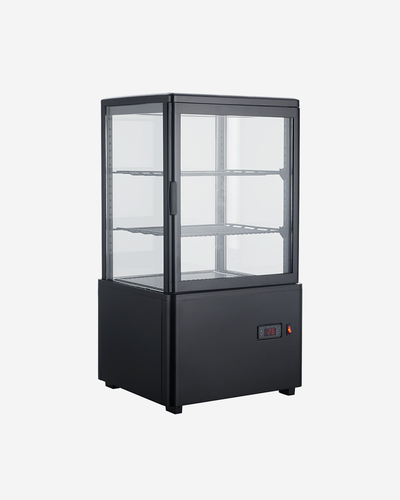
.jpg?imageView2/2/w/500/h/500/format/jp2/q/100 "Four Sides Glasses Display Cooler")
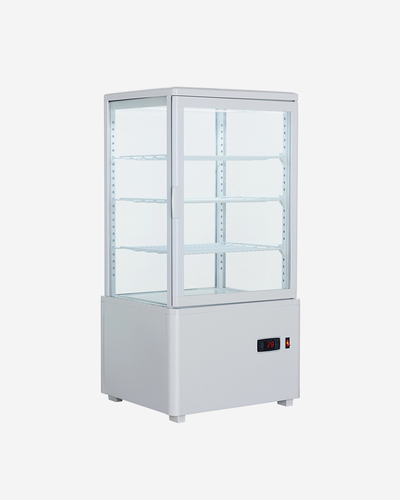
.jpg?imageView2/2/w/500/h/500/format/jp2/q/100 "White 4-Sided Glass Refrigerated Display Case")
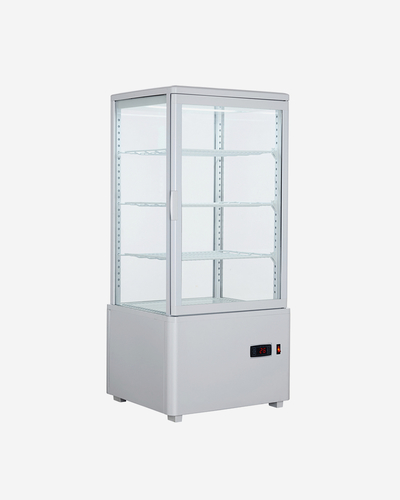
.jpg?imageView2/2/w/500/h/500/format/jp2/q/100 "Refrigerated Display Cake Countertop Four Sides Glasses Display Cooler")
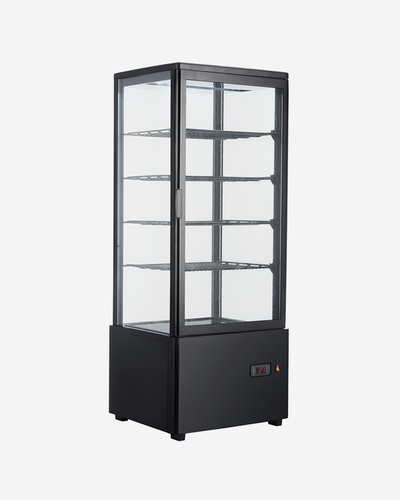
.jpg?imageView2/2/w/500/h/500/format/jp2/q/100 "Four Sides Glasses Display Cooler")

-
- Navigation
- Home
- About Us
- Products
- News
- Contact Us
 East Zone, Guanhaiwei Industrial Park, Cixi City, Ningbo, Zhejiang, China
 +86-574-63668678
 +86-574-63668108
Copyright © Ningbo XiangChi Electrical Co.,Ltd All Rights Reserved.
