
 简体中文
简体中文 English
 Español
News
Common Causes and Solutions for Mini Fridge Not Cooling
When a mini fridge stops cooling, the issue is usually related to a few common causes, such as dirty condenser coils, thermostat failure, door seal damage, overloading, or power issues. Identifying these problems can help you address the root cause and get your fridge back to its optimal cooling performance. This article will explore the causes and provide detailed solutions for each problem.
Dirty Condenser Coils
The condenser coils in a mini fridge are crucial components of the refrigeration system, responsible for releasing heat from the refrigerant. When these coils are clogged with dust or debris, they are unable to release heat efficiently, which prevents the fridge from cooling properly.
How to Clean Condenser Coils
Cleaning Steps: First, unplug the fridge and locate the condenser coils. These are usually found on the back or bottom of the fridge. Use a vacuum cleaner or a specialized brush to gently remove the dust from the coils. If the dust buildup is severe, it is recommended to use a condenser coil cleaning brush to remove dust from hard-to-reach areas.
Be cautious not to damage the delicate tubing of the condenser coils during cleaning. Regular cleaning helps prevent a decrease in fridge efficiency, and it is recommended to clean the coils every six months.
Condenser Fan Maintenance
In addition to cleaning the condenser coils, the condenser fan should also be checked. The fan helps to dissipate heat from the condenser coils, and if the fan is clogged with dust or malfunctioning, the cooling efficiency will suffer.
Fan Check: Check if the fan is running smoothly. If the fan is not starting or is making unusual noises, clean the fan and ensure it operates properly. If the fan is damaged, replace it.
Thermostat Failure
The thermostat regulates the internal temperature of the fridge. If the thermostat is malfunctioning, the fridge may fail to activate the cooling system correctly, leading to inadequate cooling.
How to Test the Thermostat
Testing Method: Set the thermostat to the lowest setting and check if the compressor starts running. If there is no response, the thermostat may be faulty.
Replacing the Thermostat
Replacement Steps: When purchasing a new thermostat, ensure it is compatible with your fridge model. Remove the old thermostat and install the new one by following the instructions in your fridge’s manual. If you are unsure of how to proceed, consider seeking professional help for installation.
Regularly check the thermostat’s settings to ensure accurate temperature control and prevent temperature fluctuations that could affect cooling performance.
Damaged Door Seal
The door seal in a mini fridge is essential for keeping the cool air inside and preventing warm air from entering. If the door seal is cracked, torn, or worn out, it allows cool air to escape, causing the fridge to consume more energy and lose cooling efficiency.
How to Check the Door Seal
Close the fridge door and gently feel along the edges to check for any air leakage. You can also place a piece of paper along the door’s edge and try pulling it out. If the paper slides easily, it indicates that the seal is damaged.
Replacing the Door Seal
Replacement Steps: If the door seal is damaged, it must be replaced. First, purchase a door seal that matches your fridge’s model. Remove the old seal and install the new one according to the instructions provided. Ensure the new seal fits tightly to the door frame to prevent air leaks.
Maintaining the Door Seal
Regularly clean the door seal to remove dirt and ensure it maintains its sealing ability. Use warm water and a mild detergent to wipe the seal, avoiding harsh chemicals that might damage the material.
Overloading the Fridge
Overloading the fridge with too many items, especially in a cramped space, can impede air circulation and negatively affect the cooling efficiency. When the fridge is packed too full, the compressor has to work longer to achieve the desired cooling effect.
How to Avoid Overloading the Fridge
Proper Placement of Items: Make sure there is enough space inside the fridge for air to circulate freely. Avoid placing items near the vents or blocking the fan with large items.
Control Storage Amount: Try to maintain a 50%–75% capacity for optimal cooling. This allows air to flow freely and ensures efficient cooling.
How to Store Food
For perishable foods, place them in the coldest section of the fridge, such as the bottom shelf of the refrigerator compartment. Avoid placing hot food directly into the fridge; let it cool down before putting it in.
Power Issues
Power-related problems can prevent a mini fridge from cooling. Issues such as damaged power cords, unstable voltage, or faulty power outlets can result in the fridge not receiving sufficient power to operate properly.
How to Check Power Supply
Check Power Cord: Inspect the power cord for any visible damage, such as fraying or exposed wires. If the cord is damaged, it should be replaced immediately. Also, check the outlet to ensure it is properly connected.
How to Address Voltage Instability
If you notice that the voltage is unstable, it may affect the fridge’s ability to operate. In this case, it is recommended to install a voltage stabilizer to ensure a stable power supply. If the voltage issue persists, consult an electrician for further assistance.
Routine Maintenance for Mini Fridges
Regular maintenance is essential for keeping a mini fridge in optimal working condition. By performing simple maintenance tasks, you can extend the life of your fridge and prevent common cooling issues.
Regularly Clean the Condenser Coils
Clean the condenser coils every six months to prevent dust and debris from impacting the heat dissipation efficiency. Use a vacuum cleaner or coil brush to clear the dust from the coils.
Check the Integrity of the Door Seal
Inspect the door seal every month to ensure it is intact. If you find cracks or signs of wear, replace the seal. Regularly clean the seal to maintain its sealing ability and prevent cool air from leaking out.
Ensure Proper Ventilation Around the Fridge
Ensure there is enough space around the fridge for proper airflow. Avoid placing the fridge too close to the wall. Regularly clean the area around the fridge to prevent dust buildup, which can obstruct airflow.
Avoid Overloading
Avoid packing the fridge too full, as this can obstruct airflow. Properly arrange items in the fridge to ensure each area has enough space for cooling.
Common Mini Fridge Issues Comparison Table
| Issue | Possible Cause | Solution |
|---|---|---|
| Fridge Not Cooling | Dirty Condenser Coils | Regularly clean the condenser coils to remove dust buildup |
| Fridge Not Cooling | Faulty Thermostat | Check the thermostat and replace it if necessary |
| Uneven Cooling | Damaged Door Seal | Inspect the seal and replace it if damaged |
| Uneven Cooling | Overloading | Reduce the number of items in the fridge and ensure proper airflow |
| Fridge Not Starting | Power Issues | Check the power cord and outlet for issues, and ensure stable power supply |
You May Also Like
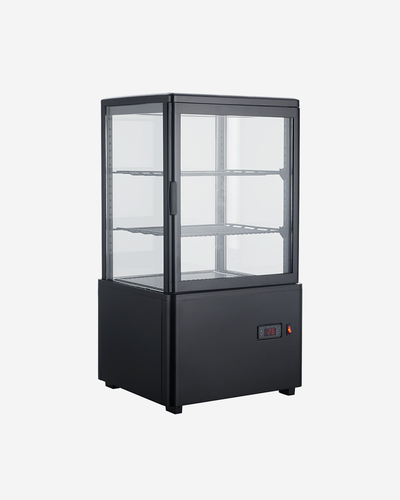
.jpg?imageView2/2/w/500/h/500/format/jp2/q/100 "Four Sides Glasses Display Cooler")
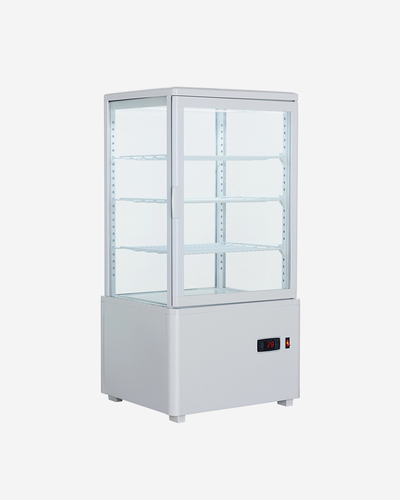
.jpg?imageView2/2/w/500/h/500/format/jp2/q/100 "White 4-Sided Glass Refrigerated Display Case")
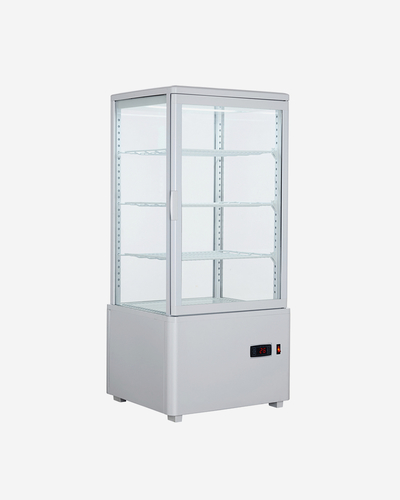
.jpg?imageView2/2/w/500/h/500/format/jp2/q/100 "Refrigerated Display Cake Countertop Four Sides Glasses Display Cooler")
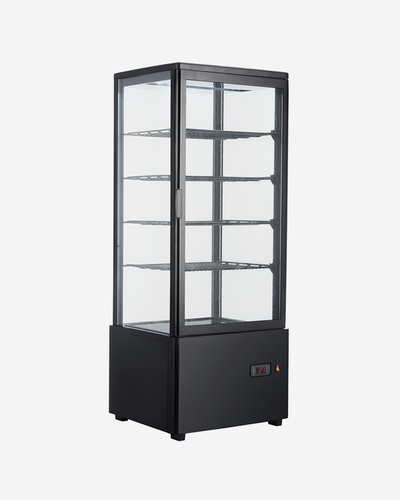
.jpg?imageView2/2/w/500/h/500/format/jp2/q/100 "Four Sides Glasses Display Cooler")

-
- Navigation
- Home
- About Us
- Products
- News
- Contact Us
 East Zone, Guanhaiwei Industrial Park, Cixi City, Ningbo, Zhejiang, China
 +86-574-63668678
 +86-574-63668108
Copyright © Ningbo XiangChi Electrical Co.,Ltd All Rights Reserved.
