
 简体中文
简体中文 English
 Español
News
Ice Cream Display Freezer Second Hand – Buyer's Guide
Why a Second Hand Ice Cream Display Freezer Makes Sense
Commercial refrigeration equipment is built to operate continuously across demanding environments. A well-maintained gelato cabinet or ice cream chest freezer can have a service life of 10–15 years or more, which means the used market regularly contains machines that still have many productive years ahead of them.
The financial case is straightforward. A new curved-glass gelato display cabinet from a reputable European manufacturer can represent a considerable upfront cost. A comparable unit sourced second hand — often from a closed restaurant, a franchise refresh, or an equipment hire fleet — frequently sells for 30–60% less than its original retail price, while still delivering the temperature performance and visual merchandising that your product demands.
Beyond the purchase price, used equipment is typically available for immediate collection or short-lead delivery, avoiding the wait times that sometimes accompany new equipment orders, particularly for imported units.
Types of Ice Cream Display Freezers Available Second Hand
The second hand market covers the same broad categories of display freezer you would find new. Understanding the differences helps you focus your search on the format that fits your space and service style.
Gelato Display Cabinets
Low-profile countertop units with curved or flat glass lids, designed to display scooping ice cream at around −11°C to −14°C. Brands like Carpigiani, Frigomat, and ISA are commonly available on the used market.
Chest Display Freezers
Open-top or hinged-lid units frequently seen in convenience stores and supermarkets for pre-packaged ice cream. Generally robust and straightforward to service, making them a low-risk second hand purchase.
Upright Glass-Door Freezers
Tall cabinets with one or more glass doors for impulse purchasing of packaged products. Commonly found in retail environments; the used market offers both single-door and multi-door configurations.
Mobile & Countertop Units
Smaller plug-in display freezers on castors, suitable for events, markets, and small counters. Second hand units in this category are plentiful and relatively affordable.
Island Display Freezers
Open-top island cases designed for high-volume retail. Their size means they are often available at reduced prices when supermarkets or large food retailers upgrade their fixtures.
Soft Serve Display Freezers
Combination cabinets that hold soft serve mix containers or accompany soft serve machines. Available used but warrant closer inspection of seals and hygiene components.
What to Inspect Before Purchasing a Second Hand Unit
Buying used commercial refrigeration without a thorough pre-purchase inspection carries risk. The following checklist covers the areas that most directly affect reliability, operating cost, and food safety compliance.
-
Compressor Operation Power on the unit and listen for the compressor cycling on smoothly without excessive vibration, rattling, or grinding. A compressor that struggles to start or runs continuously without reaching temperature is a significant repair liability.
-
Temperature Pull-Down Allow the unit to run for at least 30–45 minutes and verify that it reaches and holds its rated operating temperature. Use a calibrated thermometer rather than relying solely on the built-in display.
-
Refrigerant Charge and Leaks Check for oily residue around pipe fittings, the condenser coil, and the evaporator — these are indicators of refrigerant leaks. A low refrigerant charge causes poor cooling performance and can damage the compressor if left unaddressed.
-
Condenser and Evaporator Coils The condenser coil (typically at the back or base) should be clean and free of dust buildup. A heavily clogged condenser reduces heat rejection efficiency and increases energy consumption. The evaporator should show even frost distribution, not ice buildup concentrated in one area.
-
Door and Lid Seals Inspect all gaskets for cracks, tears, or deformation. Poor seals allow warm moist air to infiltrate, increasing energy use and causing frost accumulation. Replacement gaskets are available for most commercial units but add to your total acquisition cost.
-
Glass Condition Check display glass for cracks, delamination of double-glazing, or fogging that indicates seal failure. Curved glass panels for gelato cabinets can be expensive to replace, so any damage should factor into your price negotiation.
-
Interior Surfaces and Hygiene Examine interior walls, shelves, and drainage channels for mold, corrosion, or lingering odors. Stainless steel interiors should clean up well; any sign of deep rust or structural corrosion is a concern for food safety compliance.
-
Electrical Components Check the thermostat, lighting, and any fan motors for correct operation. Faulty fans in forced-air units cause uneven temperature distribution. Verify that all electrical components meet local safety standards, particularly if the unit is being imported from another market.
-
Age and Service History Request the manufacture date (usually on the data plate inside the unit) and any available service records. Units under 5 years old from reputable brands represent a substantially lower risk than older machines with unknown maintenance histories.
Older commercial freezers may use refrigerants that are subject to phase-out regulations in your region (such as R22 in many markets). Before purchasing any second hand unit, confirm the refrigerant type on the data plate and verify that it is compliant with current regulations in your country or state. Using non-compliant refrigerants can affect your ability to have the unit serviced legally and may present issues at health inspections.
Transitional refrigerants such as R134a, R404A, and R448A are widely available through service technicians, while older units running R22 can be harder and more costly to maintain.
Where to Find Second Hand Ice Cream Display Freezers for Sale
Several sourcing channels exist for used commercial ice cream freezers, each with its own trade-offs in terms of price, risk, and buyer protection.
Used Equipment Dealers
Specialist commercial kitchen and refrigeration dealers often test, clean, and offer a short warranty on used stock. Higher prices than private sales, but meaningful risk reduction.
Restaurant & Catering Auctions
Liquidation auctions of closed food businesses offer competitive prices. Inspection opportunities vary — some auctions allow previews, others are sight-unseen.
Online Classifieds
Platforms listing used commercial equipment connect you directly with sellers. Prices can be favorable, but quality assurance depends entirely on your own inspection.
Franchise & Chain Upgrades
Large food operators periodically refresh their equipment. Contacting chains or their equipment managers directly can yield well-maintained units at negotiated prices.
Refrigeration Service Companies
Commercial refrigeration technicians often know of available units before they reach public listing, or maintain their own inventory of refurbished equipment.
Manufacturer Trade-In Programs
Some equipment manufacturers and distributors accept trade-ins when selling new units. These refurbished machines often come with limited warranties and verified service history.
Negotiating Price on a Second Hand Unit
The asking price on used commercial freezers is rarely fixed. Any faults identified during inspection — a worn gasket, a dirty condenser, missing shelving accessories — represent legitimate grounds to negotiate a reduction. Get repair cost estimates from a refrigeration technician before making an offer, so you can factor service costs into your total acquisition budget.
If the seller is a business rather than a private individual, ask whether GST/VAT has been included in the asking price, as this affects your true cost and potential input tax credit entitlements depending on your local tax rules.
New vs. Second Hand Ice Cream Display Freezer: Key Considerations
| Factor | New Unit | Second Hand Unit |
|---|---|---|
| Purchase Price | Full retail; higher upfront investment | Typically 30–60% below retail pricing |
| Warranty | Full manufacturer warranty (1–3 years typical) | Limited or no warranty unless from a dealer |
| Availability | May involve lead times, especially imported units | Often available immediately for collection |
| Energy Efficiency | Latest efficiency ratings; lower running costs | Older units may use more energy; varies by age |
| Compliance Risk | Fully compliant with current standards | Requires verification of refrigerant and electrical compliance |
| Customisation | Can often specify size, finish, and configuration | Limited to what is available in the current used market |
| Condition Certainty | New; no prior wear | Condition varies; inspection is essential |
| Spare Parts | Full parts availability from manufacturer | Parts available for most brands; may be harder for discontinued models |
Reputable Brands to Look for on the Used Market
Certain commercial refrigeration brands have earned strong reputations for build quality and parts availability, making their units a lower-risk second hand purchase:
Gelato and Scooping Cabinets
Carpigiani, Frigomat, ISA, Gram, and Orion are among the most respected names in gelato display equipment. Italian-manufactured cabinets in particular are widely regarded for their glass quality and temperature consistency. Second hand examples from these manufacturers appear regularly through specialist equipment resellers and auction events in markets with active gelato and café cultures.
Upright and Chest Display Freezers
True Refrigeration, Hussmann, Turbo Air, Hoshizaki, and Carrier have large installed bases in commercial retail and foodservice, which means their units are commonly available used and supported by widespread parts networks. Catering-grade models from these brands frequently appear in auction catalogues when supermarkets or convenience chains upgrade their refrigeration fixtures.
Compact and Mobile Units
For smaller plug-in display freezers, Vestfrost, Tefcold, and Polar Refrigeration produce units that are robust, energy-efficient, and well-supported. These brands have strong distribution in Europe and the Asia-Pacific region, with parts and service networks that make second hand purchases relatively straightforward to maintain.
Ongoing Running Costs to Factor In
The purchase price of a second hand ice cream display freezer is only one part of the total cost of ownership. Before finalizing a purchase, consider the following ongoing expenses:
| Cost Category | Notes | Frequency |
|---|---|---|
| Electricity | Varies significantly by unit age, size, and insulation quality. Older units may consume 20–40% more energy than modern equivalents. | Ongoing |
| Condenser Cleaning | Dusty condenser coils reduce efficiency and increase compressor load. Clean every 3–6 months in typical environments. | Quarterly–biannual |
| Gasket Replacement | Door and lid seals degrade over time. Replacement gaskets for most commercial brands are available at modest cost. | As required |
| Refrigerant Top-Up | A minor refrigerant top-up by a licensed technician may be needed if the system has a slow leak. A persistent leak indicates a repair is required. | As required |
| Preventive Service | An annual check by a commercial refrigeration technician covers refrigerant levels, electrical connections, fan operation, and thermostat calibration. | Annual |
| Interior Cleaning | Food safety regulations require regular deep cleaning of display equipment. Budget for food-safe sanitizing products and the labor time involved. | Weekly–monthly |
Setting Up Your Second Hand Unit for Reliable Service
Allow Adequate Clearance
Commercial display freezers require ventilation clearance around the condenser — typically at least 150–200 mm at the rear or sides depending on condenser location. Restricting airflow around the condenser is a common cause of premature compressor failure in both new and used units. Always check the manufacturer's installation specification, which is usually printed on the data plate or available from the brand's technical documentation.
Commission a Service Check Before Loading Product
Even if the unit performed well during your pre-purchase inspection, having a licensed refrigeration technician conduct a brief commissioning check is a sound practice before loading your ice cream stock. A technician can verify refrigerant charge, calibrate the thermostat, clean the condenser, and identify any minor issues before they develop into larger problems.
Monitor Temperature Consistently
Install a simple digital thermometer with a min/max memory function inside the cabinet. This provides an independent record of operating temperatures, which is valuable both for food safety documentation and for detecting any drift in performance that might indicate developing mechanical issues.
Train Staff on Basic Maintenance
Regular staff-level maintenance — wiping down door seals, keeping the area around the condenser clear, and closing lids promptly after serving — makes a meaningful contribution to the longevity of any commercial freezer, particularly a used unit where the components may have some age on them.
Frequently Asked Questions
Making a Confident Purchase Decision
The second hand market for ice cream display freezers offers genuine value for businesses at every scale — from a first-time gelato vendor setting up a market stall to an established operator looking to add a second retail location without significant capital expenditure.
The key to a sound purchase lies in thorough pre-purchase inspection, understanding the ongoing costs that come with any commercial refrigeration unit, and sourcing from channels that provide at least some transparency about a unit's history and current condition. A refrigeration technician's inspection fee is a modest investment that can save you from acquiring a unit with a significant underlying fault.
With the right due diligence, a second hand ice cream display freezer can serve your business reliably for many years, giving your products the visual presentation they deserve while keeping your startup equipment costs well within budget.
You May Also Like
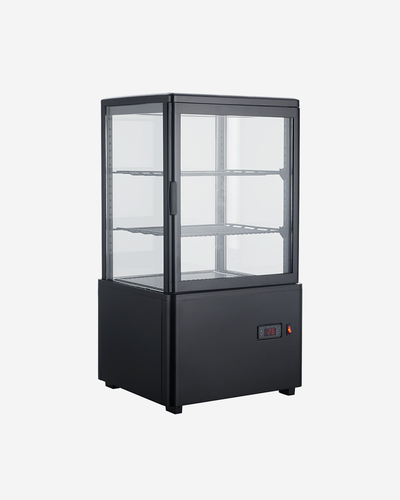
.jpg?imageView2/2/w/500/h/500/format/jp2/q/100 "Four Sides Glasses Display Cooler")
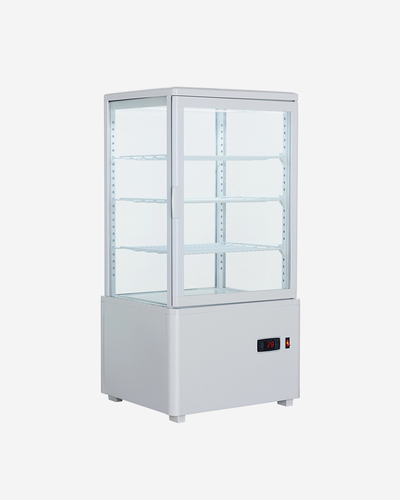
.jpg?imageView2/2/w/500/h/500/format/jp2/q/100 "White 4-Sided Glass Refrigerated Display Case")
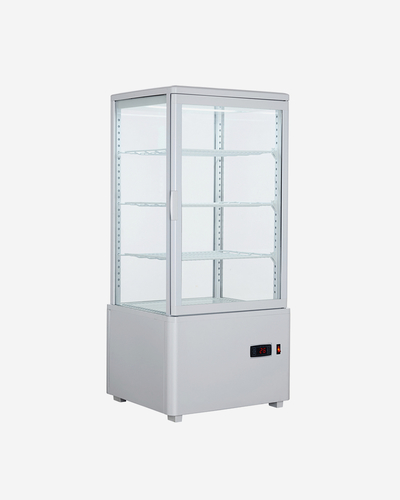
.jpg?imageView2/2/w/500/h/500/format/jp2/q/100 "Refrigerated Display Cake Countertop Four Sides Glasses Display Cooler")
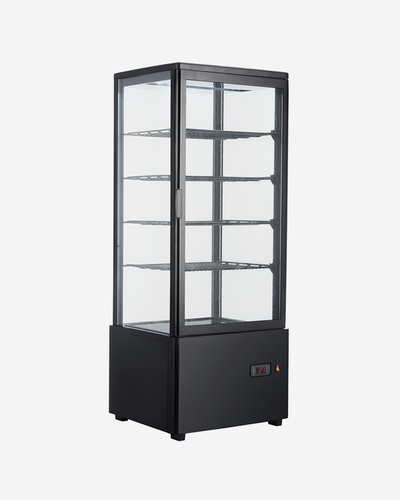
.jpg?imageView2/2/w/500/h/500/format/jp2/q/100 "Four Sides Glasses Display Cooler")

-
- Navigation
- Home
- About Us
- Products
- News
- Contact Us
 East Zone, Guanhaiwei Industrial Park, Cixi City, Ningbo, Zhejiang, China
 +86-574-63668678
 +86-574-63668108
Copyright © Ningbo XiangChi Electrical Co.,Ltd All Rights Reserved.
