
 简体中文
简体中文 English
 Español
News
How should cake display cases be designed to keep desserts fresh while showcasing them?
What A Cake Showcase Is Designed To Do
A cake showcase combines a refrigerated or temperature-controlled cabinet with a transparent viewing area, allowing baked goods to remain visible to customers while staying within a temperature range suited to preserving freshness and food safety. This dual purpose distinguishes a cake showcase from a standard refrigerator, since the display function requires clear sightlines and even lighting alongside the cooling performance expected from commercial refrigeration equipment. The balance between visibility and climate control shapes nearly every design decision in the cabinet, from glass placement to airflow routing around the interior shelving.
Glass Structure And Visibility Design
Curved or straight tempered glass panels form the viewing surface of a cake showcase, chosen for impact resistance and the ability to withstand repeated temperature fluctuations between the cooled interior and the surrounding room air. Many designs use double or triple-pane glass with a sealed air gap between layers, reducing condensation buildup on the exterior surface while limiting heat transfer into the cooled cabinet interior. This layered glass construction also helps dampen the temperature difference felt at the outer surface, keeping the exterior glass closer to room temperature even when the interior runs several degrees below ambient.
LED lighting integrated along the interior frame illuminates the display shelves without generating significant heat, which matters since traditional incandescent lighting inside a cooled cabinet would work against the refrigeration system by adding unwanted warmth near the product. Shelf angle and depth are typically designed to keep every tier visible from a standing customer's eye level, supporting the display function without requiring items to be moved or rearranged throughout the day.
Temperature And Humidity Control
Refrigerated cake showcases typically maintain interior temperatures between 2°C and 8°C, a range suited to preserving cream-based fillings and fresh dairy components without freezing the product or allowing bacterial growth associated with warmer holding temperatures. Forced-air circulation systems distribute cooled air evenly across each shelf, since uneven airflow can create warm spots near the glass or cold spots near the rear wall that affect texture consistency in delicate items like mousse cakes or cream-topped pastries.
Humidity control plays a secondary but meaningful role, since excessively dry refrigerated air can cause icing and fondant surfaces to crack or dry out over the course of a display day. Some cabinets incorporate a humidity regulation feature alongside the cooling system, balancing moisture retention in the product against the condensation control needed on the interior glass surface.
Core Cake Showcase Features
- Tempered, multi-pane glass for insulation and visibility
- Forced-air circulation for even shelf-to-shelf temperature
- Low-heat LED lighting integrated into the display frame
- Humidity regulation to protect icing and fondant surfaces
- Adjustable shelving for varied cake sizes and layouts
Cabinet Types And Configuration Options
| Cabinet Type | Typical Setting | Function Focus |
|---|---|---|
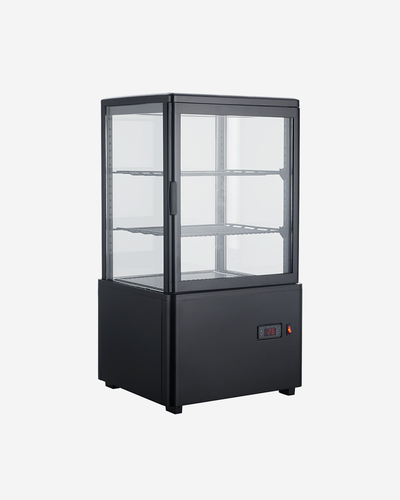
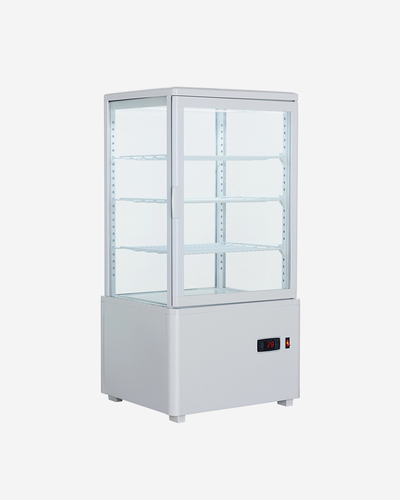
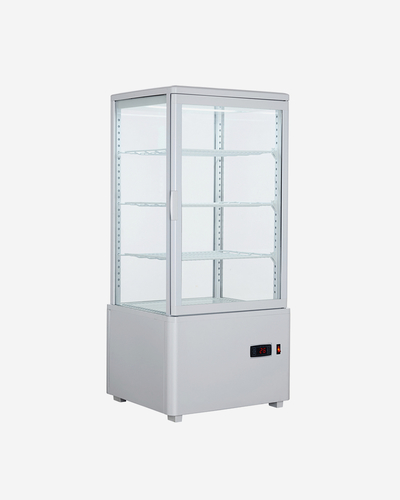
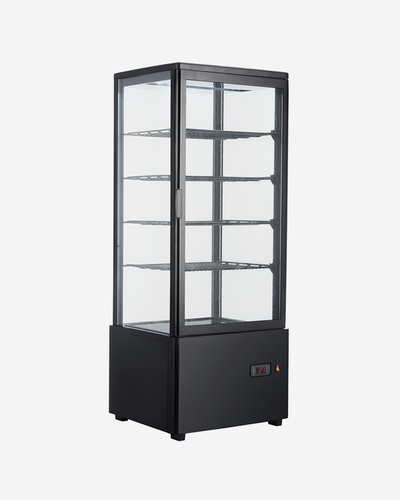
| Vertical Display Cabinet | Bakeries, cafes | Multi-tier chilled display |
| Curved Glass Cake Cabinet | Patisseries, hotels | Wide-angle product visibility |
| Warming Cabinet | Bakeries, food counters | Holding baked goods at serving temperature |
Material Standards And Certification Requirements
Interior surfaces that come into contact with food are generally built from stainless steel or food-grade plastic components, selected for ease of cleaning and resistance to the moisture and sugar residue common in a bakery display environment. Refrigeration compressors and electrical components used in commercial display cabinets are typically certified to regional and international safety standards, covering electrical safety, energy efficiency, and restricted substance compliance, since equipment sold across different markets needs to meet the specific certification requirements of each region.
These certification requirements matter to commercial buyers because compliance documentation is often part of procurement and food safety audits, particularly for equipment used in hotels, supermarkets, and chain bakery operations where standardized supplier requirements apply across multiple locations.
Where Cake Showcases Are Commonly Used
Bakeries and patisseries rely on cake showcases as a central fixture, using the display to present daily-made items while keeping cream and fruit-based products within a safe temperature range throughout business hours. Hotels and restaurants use similar cabinets for dessert stations and buffet displays, where consistent presentation across multiple items matters for a coordinated dining experience. Supermarkets and grocery chains apply cake showcases within their bakery sections, often positioning the units near the front of the store where visibility from passing customers supports impulse purchases of freshly baked items.
Cafes with a smaller footprint frequently choose compact countertop or narrow vertical models, prioritizing display visibility within a limited floor space while still meeting the temperature control needs of dairy-based pastries and cakes sold throughout the day.
Maintenance And Energy Efficiency Considerations
Condenser coils and filters require regular cleaning, since dust and grease buildup common in a bakery kitchen environment can reduce airflow efficiency and force the compressor to work harder to maintain the set temperature. Door and glass seals also need periodic inspection, as a worn seal allows warm air infiltration that can create uneven cooling and increase energy consumption over time.
Energy-efficient compressor technology and improved insulation in modern cake showcases have reduced daily operating costs compared to older refrigeration designs, which is a relevant factor for businesses running multiple display units throughout a retail or hospitality location. Scheduling routine maintenance based on manufacturer guidance helps extend equipment lifespan while keeping display temperatures consistent for food safety purposes.
Factors To Consider When Selecting A Cake Showcase
Matching cabinet size and shelf configuration to the range of products a business intends to display affects both presentation quality and available cooling capacity, since overcrowding shelves can restrict airflow and create inconsistent temperatures across the display. Glass shape, whether curved or straight, also influences customer sightlines and how the cabinet fits within a store's overall layout and traffic flow near the counter.
Checking the certification documentation relevant to the market where the equipment will operate helps confirm compliance with local electrical and food safety regulations before purchase. Noise level and compressor placement are also worth considering for businesses operating in a customer-facing space, where a quieter refrigeration system contributes to a more comfortable shopping or dining environment.
You May Also Like
.jpg?imageView2/2/w/500/h/500/format/jp2/q/100 "Four Sides Glasses Display Cooler")
.jpg?imageView2/2/w/500/h/500/format/jp2/q/100 "White 4-Sided Glass Refrigerated Display Case")
.jpg?imageView2/2/w/500/h/500/format/jp2/q/100 "Refrigerated Display Cake Countertop Four Sides Glasses Display Cooler")
.jpg?imageView2/2/w/500/h/500/format/jp2/q/100 "Four Sides Glasses Display Cooler")

-
- Navigation
- Home
- About Us
- Products
- News
- Contact Us
 East Zone, Guanhaiwei Industrial Park, Cixi City, Ningbo, Zhejiang, China
 +86-574-63668678
 +86-574-63668108
Copyright © Ningbo XiangChi Electrical Co.,Ltd All Rights Reserved.
