
 简体中文
简体中文 English
 Español
News
How Countertop Display Refrigerators Turn Checkouts Into Sales Points?
A Countertop Display Refrigerator Converts Checkout Waiting Time Into Purchase Decisions
A countertop display refrigerator turns a checkout counter into a sales point by placing chilled, visually accessible products directly within a customer's line of sight during the brief window when they are already standing still and waiting to pay. Unlike shelved beverages or snacks located in a separate aisle, items inside a display cooler sit at eye level or slightly below, enclosed in clear glass or curved acrylic panels that let the product remain visible without requiring the customer to open a door or search through a crowded shelf. Retail behavior studies consistently show that products placed within arm's reach at checkout generate purchase decisions made in under five seconds, a timeframe that aligns closely with the average wait at a staffed register. Because the cooling unit keeps beverages, desserts, or prepared foods at a visibly appealing temperature, condensation on the glass and a clean interior layout reinforce the sense of freshness that prompts a last-moment add to the basket.
Quick Fact: Why Checkout Placement Matters
Checkout counters sit at the very end of a shopping trip, a point where customers generally believe their purchase decisions are already finished. A visible chilled product at this stage does not compete against a planned shopping list, it simply offers a fresh, low-effort option during otherwise idle waiting time, which is why placement at this exact location tends to outperform similar products shelved earlier in the store layout.
Why Visibility at the Point of Sale Changes Buying Behavior
The majority of grocery and convenience purchases fall into two categories: planned items a shopper came in specifically to buy, and unplanned items noticed along the way. Checkout counters sit at the very end of a shopping trip, meaning any product visible there is competing for attention during a moment when the customer has already mentally closed their shopping list. A countertop display cooler interrupts that closed decision loop by presenting a cold drink, a slice of cake, or a packaged snack in a way that feels like a fresh option rather than a forgotten aisle. The transparent housing plays a direct role here, since a solid-door refrigerator hides its contents and requires an active decision to open and look, while an open or glass-fronted display keeps the product passively visible without requiring any interaction at all.
Lighting inside the unit adds a further layer to this visibility effect. LED strips positioned along the interior edges illuminate labels and packaging evenly, avoiding the shadowing that can occur with a single overhead bulb, and this even lighting helps colors on packaging appear more vivid, which research in retail merchandising has linked to increased product recall and selection rate at close range.
Cooling System Design and Temperature Consistency
Compressor Placement and Airflow
Countertop units typically house a compact compressor and condenser assembly at the base or rear of the cabinet, positioned to draw ambient air across the coils while directing cooled air upward through the display chamber using a small fan. This forced-air circulation matters because a countertop cooler operates in a warmer thermal environment than a walk-in cooler or an under-counter unit, sitting exposed to store lighting, foot traffic, and door drafts near an entrance. Even airflow distribution keeps the front-row products, the ones prominently visible to customers, at a temperature close to the back-row items, avoiding the uneven cooling that can leave front-facing drinks noticeably warmer after repeated door openings or ambient heat exposure.
Insulated Glass and Heat Load Reduction
Display panels on countertop refrigerators are frequently constructed from double-pane or low-emissivity glass, which reduces the amount of external heat transferring into the cooled chamber compared to single-pane construction. This insulation reduces how often the compressor cycles on to maintain set temperature, which in turn lowers electricity draw over a full operating day, an important factor for small retail counters where the unit runs continuously alongside point-of-sale equipment already drawing power from a shared outlet.
Materials That Support Frequent Handling and Daily Cleaning
The interior shelving and outer cabinet frame of a countertop display refrigerator are commonly built from stainless steel, a material chosen for its resistance to corrosion from spilled beverages, condensation, and the frequent wipe-downs required in a food service environment. Stainless steel also resists staining from acidic drink spills and does not retain odors the way some coated metals or plastics can over repeated use, which matters for units placed near bakery counters or prepared food stations where crumbs and sticky residue accumulate quickly during a business day. Rounded interior corners and removable shelving further support daily sanitation routines, since staff can lift out individual shelves for a full wash rather than wiping around fixed dividers.
Common Placement Strategies Across Retail Formats
Where a countertop display cooler sits within a store layout influences which products perform well inside it. The table below outlines common placement scenarios and the product types typically merchandised in each.
| Retail Setting | Typical Placement | Common Products Displayed |
|---|---|---|
| Convenience stores | Beside the register | Bottled beverages, energy drinks |
| Bakeries and cafes | On the service counter | Cakes, pastries, cold desserts |
| Delis and sandwich shops | Adjacent to the order line | Packaged salads, chilled sides |
| Pharmacies | Near the pickup counter | Water, functional drinks, snacks |
| Hotel lobbies and front desks | Beside check-in counter | Bottled beverages, grab-and-go items |
Countertop Units Compared to Larger Upright Display Merchandisers
While a countertop unit is designed for compact spaces and impulse-oriented placement, larger upright refrigerated merchandisers serve a different role, typically standing along a store wall or aisle end to display a wider range of beverages or packaged goods across multiple shelves. Upright units generally hold significantly greater volume, often several hundred liters compared to the smaller capacity of a countertop cooler, and are suited to locations where customers are actively browsing rather than passing briefly at checkout. The two formats frequently work together in a single store layout, with the upright merchandiser handling bulk beverage stock along a main aisle while a countertop unit near the register captures the secondary, unplanned purchase that a shopper decides on only after reaching the front of the store.
Maintenance Practices That Preserve Display Appeal
A display refrigerator only performs its merchandising function effectively if the glass stays clear and the interior remains free of frost buildup or condensation streaks that obscure product visibility. Daily wiping of exterior glass surfaces removes fingerprints and dust that accumulate from customer handling near the counter, while periodic defrosting, depending on whether the unit uses automatic or manual defrost cycling, prevents ice formation on interior coils that can reduce cooling efficiency over time. Checking door gaskets or the seal along the display opening for wear also matters, since a compromised seal allows warm air infiltration that forces the compressor to run longer and can eventually cause visible condensation fog on the glass, undermining the exact visual clarity the unit is meant to provide.
Quick Fact: Small Efficiency Gains Add Up
Refrigeration equipment often accounts for a substantial share of total electricity use in small food service and retail operations, since these units run continuously throughout business hours. Because a countertop display cooler is left running around the clock, even a modest reduction in daily energy draw, achieved through a clean gasket seal or a properly defrosted coil, can translate into a meaningful cumulative saving over the course of a year, particularly for locations operating several units at once.
Why Small-Footprint Cooling Continues to Expand at Checkout Counters
As retail floor space in convenience formats and quick-service locations continues to shrink in favor of efficiency, equipment that combines a small physical footprint with strong product visibility has become increasingly relevant to how independent retailers plan their counter layout. A countertop display refrigerator fits this need directly, offering chilled storage and merchandising visibility within a unit that sits comfortably on an existing counter rather than requiring dedicated floor space, which explains why this category continues to appear across an expanding range of retail and hospitality settings beyond its traditional convenience store origins.
You May Also Like
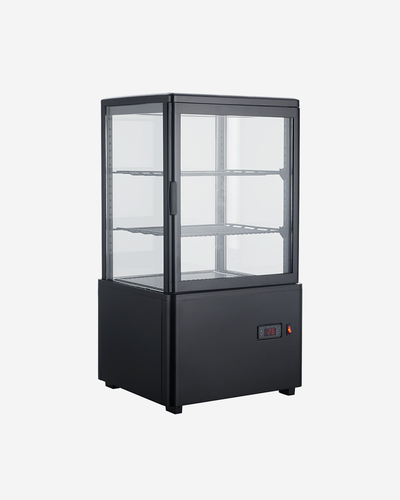
.jpg?imageView2/2/w/500/h/500/format/jp2/q/100 "Four Sides Glasses Display Cooler")
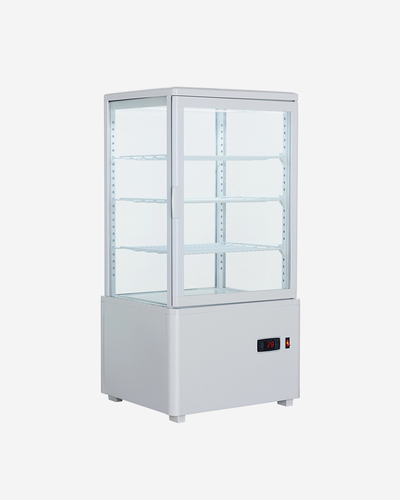
.jpg?imageView2/2/w/500/h/500/format/jp2/q/100 "White 4-Sided Glass Refrigerated Display Case")
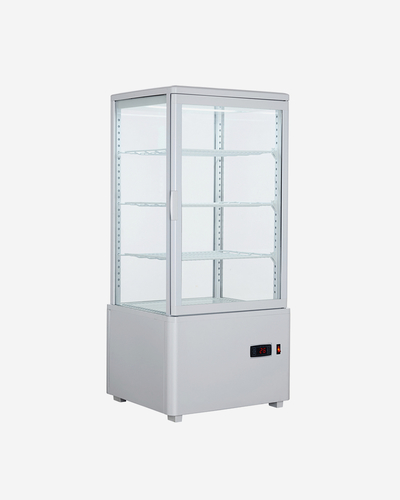
.jpg?imageView2/2/w/500/h/500/format/jp2/q/100 "Refrigerated Display Cake Countertop Four Sides Glasses Display Cooler")
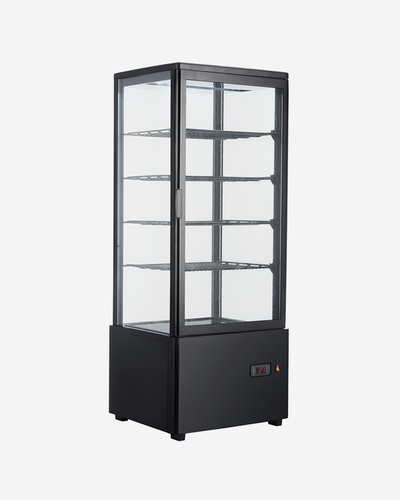
.jpg?imageView2/2/w/500/h/500/format/jp2/q/100 "Four Sides Glasses Display Cooler")

-
- Navigation
- Home
- About Us
- Products
- News
- Contact Us
 East Zone, Guanhaiwei Industrial Park, Cixi City, Ningbo, Zhejiang, China
 +86-574-63668678
 +86-574-63668108
Copyright © Ningbo XiangChi Electrical Co.,Ltd All Rights Reserved.
