
 简体中文
简体中文 English
 Español
News
Is an Energy-efficient Countertop Display Cooler the Ultimate 'Silent Salesman' for Boosting Modern Retail Profits?
For cafes, convenience stores, bakeries, and quick-service restaurants, refrigerated display units serve a dual purpose: they preserve product freshness while also driving impulse purchases through visual merchandising. However, traditional display refrigeration has long carried a reputation for high electricity consumption, particularly in small footprint operations where every appliance's energy draw directly affects operating margins. The Energy-efficient Countertop Display Cooler has emerged as a response to this challenge, combining compact design with advanced refrigeration technology to deliver strong product visibility and preservation performance while significantly reducing electricity consumption. This article provides a detailed examination of these units, covering their design principles, energy-saving technologies, applications, and the key factors that matter most when selecting and maintaining this equipment.
1. What Is an Energy-Efficient Countertop Display Cooler
An energy-efficient countertop display cooler is a compact refrigerated merchandising unit designed to sit directly on a counter, checkout station, or service area, offering clear visual access to chilled products such as beverages, desserts, dairy items, or grab-and-go snacks. Unlike large upright or walk-in refrigeration systems, countertop display coolers are engineered for small-space applications where visibility, accessibility, and minimal footprint are equally important as cooling performance.
The energy-efficient designation applies to units that incorporate specific technologies and design choices aimed at reducing electricity consumption without compromising the cooling performance or product visibility that make display coolers effective merchandising tools. This typically includes features such as LED lighting, high-efficiency compressors, improved insulation, and glass technology designed to minimize heat transfer from the surrounding environment into the refrigerated cabinet.
Quick Fact: Why Small Coolers Matter for Energy Costs
Refrigeration equipment often accounts for a substantial share of total electricity consumption in small food service and retail operations, frequently running continuously throughout business hours and beyond. Because countertop display coolers are often left running around the clock, even modest improvements in energy efficiency per unit can translate into meaningful savings over the course of a year, particularly for businesses operating multiple units.
2. Core Components That Drive Energy Efficiency
The energy performance of a countertop display cooler depends on the interaction of several key components, each engineered to minimize electricity consumption while maintaining consistent internal temperatures.
2.1 High-Efficiency Compressors
The compressor is the primary energy-consuming component in any refrigeration system. Modern energy-efficient display coolers increasingly use variable-speed or electronically commutated compressors that adjust their output based on actual cooling demand, rather than cycling on and off at full power. This variable operation reduces energy waste compared to older fixed-speed compressor designs that consume the same amount of power regardless of whether maximum cooling output is actually needed at a given moment.
2.2 LED Interior and Accent Lighting
Display coolers rely on interior lighting to showcase products effectively, but traditional fluorescent or incandescent lighting generates significant heat that the refrigeration system must then work to offset. LED lighting consumes substantially less electricity than these older lighting technologies while also producing far less residual heat, reducing the overall cooling load the compressor must manage.
2.3 Low-Emissivity Glass Panels
The glass panels used in display coolers are a critical point of potential heat transfer, since glass naturally conducts heat more readily than insulated cabinet walls. Low-emissivity, or low-E, glass incorporates a thin metallic coating that reflects radiant heat while still allowing full visual clarity, significantly reducing the amount of ambient heat that penetrates into the refrigerated cabinet through the display window.
2.4 Enhanced Cabinet Insulation
High-density polyurethane foam insulation within the cabinet walls and door frames reduces heat infiltration from the surrounding environment, allowing the refrigeration system to maintain target temperatures with less continuous compressor operation.
2.5 Automatic Defrost Optimization
Traditional defrost cycles often run on fixed timers regardless of actual frost buildup, consuming unnecessary energy during cycles that were not actually needed. Adaptive defrost systems monitor actual frost accumulation and trigger defrost cycles only when required, reducing the energy consumed by this often-overlooked aspect of refrigeration operation.
2.6 Night Curtains and Auto-Dimming Features
Some countertop display coolers include retractable night curtains or auto-dimming lighting controls that reduce both lighting energy use and heat infiltration during non-business hours, when full product visibility is not required but the unit typically continues running to preserve product freshness.
3. Comparing Energy-Efficient Models to Standard Display Coolers
| Feature | Energy-Efficient Model | Standard Model |
|---|---|---|
| Compressor Type | Variable-speed or EC compressor | Fixed-speed compressor |
| Interior Lighting | LED with lower heat output | Fluorescent or halogen |
| Glass Type | Low-E coated glass | Standard clear glass |
| Insulation Density | High-density polyurethane foam | Standard foam thickness |
| Defrost Method | Adaptive, demand-based | Fixed timer-based |
| Typical Annual Energy Use | Notably lower | Higher baseline consumption |
4. Certifications and Efficiency Standards to Look For
When evaluating countertop display coolers for genuine energy efficiency, third-party certifications provide a more reliable reference point than manufacturer marketing claims alone.
ENERGY STAR Certification: A widely recognized program that certifies commercial refrigeration equipment meeting defined energy efficiency thresholds, offering a straightforward way to compare energy performance across different models and brands.
UL Safety and Performance Listing: Confirms that the unit has been tested and meets recognized electrical safety standards, an important baseline consideration alongside energy performance metrics.
NSF Sanitation Certification: Particularly relevant for units displaying food or beverage products, this certification confirms that materials and construction meet food service sanitation requirements.
Climate Class Ratings: Commercial refrigeration units are often rated for specific ambient temperature and humidity conditions; selecting a unit rated appropriately for your operating environment helps ensure the stated energy efficiency figures are achieved in practice.
Refrigerant Type Disclosure: Look for units using low global warming potential refrigerants, which not only reduce environmental impact but are often paired with more modern, efficient compressor technology.
5. Construction Materials and Design Considerations
Beyond the core refrigeration components, the overall construction of a countertop display cooler influences both its energy performance and its durability in demanding commercial environments.
- Stainless Steel Cabinet Framing: Provides durability and corrosion resistance in food service environments while supporting the structural rigidity needed to maintain consistent door and seal alignment over years of use.
- Magnetic Door Gaskets: High-quality magnetic gaskets create a tight seal around access doors, preventing warm air infiltration that would otherwise force the compressor to work harder to maintain internal temperature.
- Curved or Angled Glass Design: Many countertop models use curved glass fronts to maximize product visibility from multiple angles while maintaining a compact footprint suitable for counter placement.
- Adjustable Interior Shelving: Allows operators to configure the interior space for different product sizes without leaving excessive empty space that increases the volume of air the system must cool unnecessarily.
- Rear or Side-Mounted Compressor Placement: Positioning the compressor away from the immediate product display area helps manage heat dissipation more effectively and can reduce the unit's overall footprint.
6. Common Applications and Use Cases
| Business Type | Typical Products Displayed | Key Priority |
|---|---|---|
| Cafes and Coffee Shops | Bottled beverages, dairy, desserts | Compact footprint near checkout |
| Bakeries and Patisseries | Cakes, pastries, chilled desserts | Clear visibility with humidity control |
| Convenience Stores | Grab-and-go snacks, cold drinks | High turnover, continuous operation |
| Delis and Sandwich Shops | Prepared sandwiches, salads | Consistent food-safe temperature |
| Hotel Lobbies and Front Desks | Bottled water, snacks, beverages | Quiet operation and aesthetic design |
7. How Countertop Display Coolers Reduce Long-Term Operating Costs
While the upfront purchase price of energy-efficient countertop display coolers can be somewhat higher than basic models, the long-term operating cost picture often favors the more efficient option, particularly for units running continuously in commercial settings.
- Reduced Electricity Bills: Lower daily energy draw compounds significantly over the unit's operational lifetime, particularly for businesses running multiple units simultaneously.
- Lower Maintenance Frequency: Variable-speed compressors that avoid constant full-power cycling often experience less mechanical wear over time compared to fixed-speed compressors that repeatedly start and stop at maximum output.
- Extended Equipment Lifespan: Components designed for efficient operation, including well-sealed cabinets and properly sized compressors, tend to experience less operational strain, potentially extending the useful service life of the unit.
- Reduced HVAC Load: Because energy-efficient display coolers generate less waste heat, they place less additional burden on a facility's air conditioning system, indirectly reducing overall building cooling costs.
- Potential Utility Incentives: In some regions, utility companies offer rebates or incentive programs for businesses that install certified energy-efficient commercial refrigeration equipment, further offsetting the initial investment cost.
8. How to Select the Right Countertop Display Cooler
Choosing the appropriate unit requires balancing energy efficiency considerations with practical operational requirements specific to the business and product mix involved.
- Determine Required Capacity: Assess the volume and turnover rate of products to be displayed, since an oversized unit wastes energy cooling unused space, while an undersized unit may struggle to maintain consistent temperatures during peak demand periods.
- Verify Countertop Space and Clearance: Confirm available counter dimensions, including necessary clearance around the unit for proper ventilation, since restricted airflow can significantly reduce cooling efficiency.
- Match Climate Class to Operating Environment: Select a unit rated for the ambient temperature and humidity conditions typical of the installation location to ensure the stated energy performance is actually achieved in practice.
- Prioritize Certified Energy Performance: Favor models carrying recognized energy efficiency certifications over those relying solely on general marketing claims about energy savings.
- Consider Noise Levels: For placement in customer-facing areas such as reception desks or dining rooms, quieter compressor operation may be an important factor alongside pure energy efficiency metrics.
- Evaluate Warranty and Service Support: A comprehensive warranty covering both the compressor and electronic components provides valuable protection against unexpected repair costs during the unit's operational life.
9. Optimal Placement Tips for Maximum Efficiency
Even the most efficient countertop display cooler can underperform if improperly positioned within a business environment. The following placement considerations help maximize both energy efficiency and product visibility.
- Avoid placing the unit near direct sunlight, ovens, heat lamps, or other heat-generating equipment, as elevated ambient temperatures force the compressor to work harder to maintain internal cooling targets.
- Ensure adequate rear and side clearance according to manufacturer specifications to allow proper airflow around the compressor and condenser coils, since restricted ventilation is a common cause of reduced efficiency and premature compressor wear.
- Position the unit away from high-traffic doorways or air conditioning vents where frequent temperature fluctuations from opening doors or airflow drafts could increase the cooling workload.
- Confirm that the countertop or supporting surface can adequately support the combined weight of the unit and its product load, and that the surface allows for stable, level placement to ensure proper door seal alignment.
10. Maintenance Practices That Preserve Energy Efficiency
Regular maintenance plays a significant role in ensuring that a countertop display cooler continues to perform at its designed energy efficiency level throughout its operational lifespan.
- Clean condenser coils regularly to remove dust and debris buildup, which can significantly reduce heat exchange efficiency and force the compressor to work harder than necessary.
- Inspect and clean door gaskets periodically, checking for cracks, warping, or loss of magnetic seal strength that could allow warm air infiltration into the refrigerated cabinet.
- Verify that interior temperature settings remain appropriate for the products being displayed, since unnecessarily low temperature settings increase energy consumption without providing additional food safety benefit.
- Schedule periodic professional inspection of refrigerant levels and electrical components to catch developing issues before they result in reduced efficiency or unexpected equipment failure.
- Keep interior shelving organized to avoid blocking internal air circulation vents, which can create uneven cooling and force certain areas of the compressor system to compensate with additional energy use.
11. Industry Trends and Future Developments
The countertop display cooler segment continues to evolve alongside broader trends in commercial refrigeration technology and sustainability expectations.
- Wider Adoption of Natural Refrigerants: Manufacturers are increasingly transitioning toward refrigerants with lower global warming potential, often paired with more efficient compressor designs as part of the same technology upgrade.
- Smart Monitoring and Remote Diagnostics: Connected refrigeration units increasingly offer remote temperature monitoring and predictive maintenance alerts, helping operators catch efficiency-reducing issues before they escalate into costly repairs.
- Improved Glass and Coating Technology: Ongoing advances in anti-fog and low-emissivity glass coatings continue to improve both product visibility and thermal performance simultaneously.
- Modular and Stackable Designs: Some manufacturers are introducing modular countertop units that can be combined or reconfigured as business needs change, reducing the need to replace entire units when display requirements evolve.
- Increased Regulatory Focus on Commercial Refrigeration Efficiency: Growing regulatory attention on commercial refrigeration energy standards in various markets is expected to continue pushing manufacturers toward higher baseline efficiency across all new product lines.
12. Frequently Asked Questions
How much energy can an energy-efficient countertop display cooler actually save compared to a standard unit?
Savings vary depending on the specific models being compared and usage patterns, but certified energy-efficient units typically consume meaningfully less electricity than standard models over a year of continuous operation, with LED lighting and improved compressor technology contributing the most significant reductions.
Are countertop display coolers loud enough to disturb customers?
Modern energy-efficient units, particularly those using variable-speed compressors, generally operate more quietly than older fixed-speed models, though noise levels vary by manufacturer and should be checked against published decibel specifications for customer-facing placements.
Do these units require a dedicated electrical circuit?
Requirements vary by unit size and compressor rating, so it is important to check the manufacturer's electrical specifications and consult a qualified electrician to confirm compatibility with existing outlets before installation.
Can a countertop display cooler maintain consistent temperature during frequent door openings?
Well-designed units with strong door seals and appropriately sized compressors are engineered to recover quickly from brief temperature fluctuations caused by frequent access, though extremely high-traffic environments may benefit from units specifically rated for high door-opening frequency.
Is professional installation required for these units?
Most countertop display coolers are designed for straightforward plug-in installation without specialized professional setup, though proper placement for ventilation clearance and electrical compatibility should still be carefully confirmed before first use.
Energy-efficient countertop display coolers offer a compelling combination of effective product merchandising and meaningful reductions in ongoing electricity consumption, making them an increasingly popular choice for cafes, convenience stores, bakeries, and other small-footprint retail and food service operations. Through the integration of high-efficiency compressors, LED lighting, low-emissivity glass, and improved insulation, these units deliver the visual appeal and reliable cooling performance that businesses depend on while helping to control long-term operating costs. Selecting the right unit requires careful attention to capacity needs, certification standards, placement conditions, and ongoing maintenance practices, all of which contribute to ensuring that the energy efficiency promised on paper translates into real, sustained savings in daily commercial use.
You May Also Like
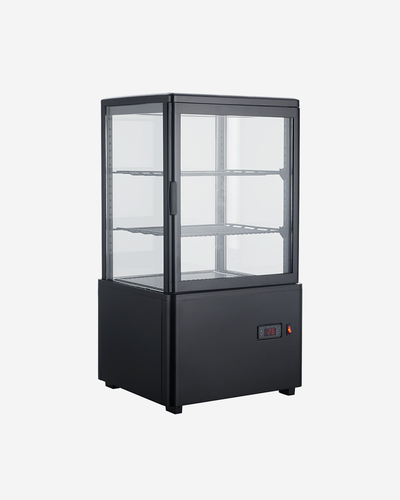
.jpg?imageView2/2/w/500/h/500/format/jp2/q/100 "Four Sides Glasses Display Cooler")
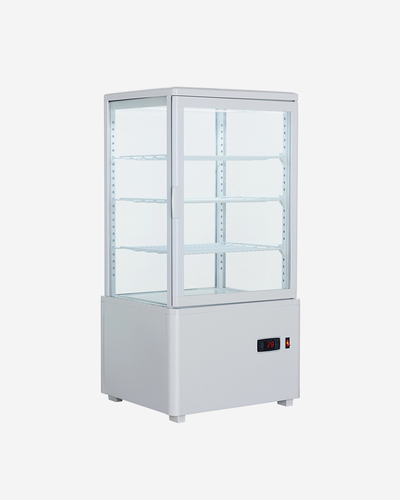
.jpg?imageView2/2/w/500/h/500/format/jp2/q/100 "White 4-Sided Glass Refrigerated Display Case")
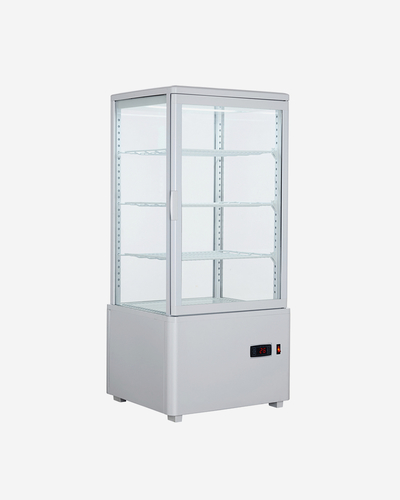
.jpg?imageView2/2/w/500/h/500/format/jp2/q/100 "Refrigerated Display Cake Countertop Four Sides Glasses Display Cooler")
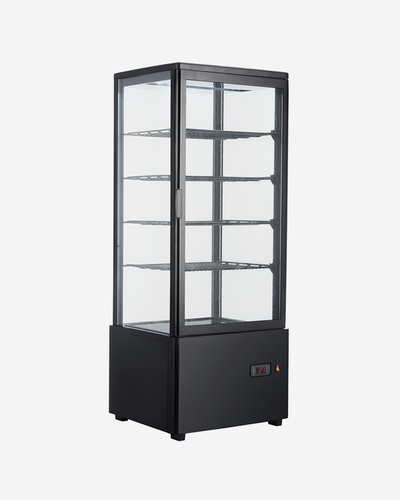
.jpg?imageView2/2/w/500/h/500/format/jp2/q/100 "Four Sides Glasses Display Cooler")

-
- Navigation
- Home
- About Us
- Products
- News
- Contact Us
 East Zone, Guanhaiwei Industrial Park, Cixi City, Ningbo, Zhejiang, China
 +86-574-63668678
 +86-574-63668108
Copyright © Ningbo XiangChi Electrical Co.,Ltd All Rights Reserved.
