
 简体中文
简体中文 English
 Español
News
Why Freezer Placement Matters More Than You Think?
A freezer works by removing heat from its interior and expelling it into the surrounding environment. This process depends on a stable ambient temperature and adequate airflow around the appliance. When either of these conditions is compromised — by excessive heat, cold, humidity, or poor ventilation — the compressor must work harder to compensate. That extra workload translates directly into higher electricity bills, accelerated wear on components, and a shortened lifespan.
Modern freezers are engineered to operate within a specific ambient temperature range — typically between 10°C (50°F) and 43°C (109°F), depending on the climate class marked on the rating plate. Placing a freezer outside these conditions is one of the most common — and most avoidable — appliance mistakes.
The Unheated Garage: The Most Common Placement Mistake
Placing a freezer in an unheated garage is the single most widespread placement error, and it causes problems at both temperature extremes. In summer, an uninsulated garage can easily exceed 38°C (100°F), forcing the compressor to run almost continuously and massively increasing energy consumption. In winter, the problem reverses: when ambient temperatures drop below 10°C (50°F), many freezer thermostats — which measure the ambient air rather than the interior — detect that it's already cold enough and stop triggering the compressor. The result is that frozen food actually begins to thaw.
This cold-weather failure mode surprises most people. The intuition is that a cold garage should help a freezer work better. In practice, the thermostat is designed assuming a warm indoor environment. If the air outside is as cold as the food inside, the appliance simply stops running.
Critical risk: garage freezers in winter If you must use a garage freezer in a cold climate, look specifically for models labelled Climate Class SN or N — these are rated for ambient temperatures as low as 10°C. Alternatively, some manufacturers sell garage-ready freezers with a second thermostat designed to maintain performance in cold conditions.
Next to Heat-Generating Appliances
Positioning a freezer beside — or especially directly next to — an oven, hob, or dishwasher is a serious efficiency problem. These appliances routinely generate significant radiant and convective heat during operation. A freezer placed immediately adjacent to an oven must work continuously harder to compensate, since the ambient temperature on one side of the appliance is dramatically elevated. Studies on kitchen appliance placement have shown that a freezer sharing a side wall with an oven can consume 15–20% more electricity than the same unit placed in a neutral environment.
The dishwasher is often overlooked in this context. During a hot wash and particularly during a drying cycle, a dishwasher can radiate considerable heat through its side panels. If your kitchen layout forces a freezer adjacent to a dishwasher, ensure at least 50mm (2 inches) of air gap and consider adding a thermal insulation panel between the two units.
Direct Sunlight: A Slow, Expensive Problem
A freezer placed in a sunny conservatory, porch, or beside a south-facing window may look fine initially. Over weeks and months, however, direct sunlight creates two compounding issues. First, solar radiation heats the exterior casing, raising the ambient temperature the appliance must work against. Second, ultraviolet light degrades rubber door seals over time, leading to microscopic cracks that allow warm air ingress and accelerate frost buildup inside.
The effects of sun exposure are gradual and rarely dramatic in the short term, which is why many people tolerate a sunny placement for years without connecting it to their rising energy bills or increasing defrost frequency. Moving the appliance to a shaded position typically produces measurable energy savings within a single billing cycle.
Practical tip If relocating a sun-exposed freezer isn't immediately possible, a light-coloured reflective cover on the adjacent wall or window can reduce radiant heat load on the appliance by a meaningful amount while you arrange a permanent solution.
Outdoors: Never Without Specific Outdoor-Rated Equipment
Standard domestic freezers are not designed for outdoor use. Even under a covered patio or in a sheltered outbuilding with open sides, a standard freezer is exposed to humidity, temperature swings, condensation, insects, and dust in ways its electrical components and insulation are not built to handle. Moisture entering the control board or compressor housing is a fire and shock hazard, not merely an efficiency concern.
If you need frozen food storage in an outdoor space, only purpose-built outdoor-rated freezers — with weatherproof casings, sealed electrical compartments, and corrosion-resistant materials — should be used. These are a distinct product category from standard domestic appliances and are priced accordingly. Placing a regular freezer outdoors and covering it with a tarpaulin is not an adequate substitute.
Damp Basements and High-Humidity Spaces
A freezer placed in a damp basement or poorly ventilated utility room faces chronic exposure to elevated humidity. This creates several problems over time. Condensation forms on the exterior casing and — critically — within the electrical compartments at the rear of the appliance. Metal components corrode, including the compressor housing, refrigerant pipework connections, and control board contacts. The door hinges and casing may also develop surface rust that, while initially cosmetic, can eventually compromise the structural integrity of the door seal.
If a basement or utility room is your only practical option, invest in a dehumidifier for the space and ensure the room has adequate ventilation. The relative humidity around the freezer should ideally remain below 60%.
Tight Alcoves and Built-In Recesses Without Adequate Clearance
A freezer generates heat as a byproduct of its operation and must be able to expel this heat into the surrounding air. If it is installed in a tight alcove with walls on three sides and insufficient clearance at the top and rear, this heat recirculates around the appliance rather than dissipating into the room. The compressor then runs in artificially elevated ambient temperatures of its own making — a self-defeating cycle that reduces efficiency and increases wear.
Minimum clearance requirements vary by manufacturer, but general guidance is:
- Rear clearance: at least 50mm (2 inches) from the wall to allow airflow around the condenser coils
- Top clearance: at least 50–100mm depending on whether the condenser is rear-mounted or top-mounted
- Side clearance: at least 25mm (1 inch) on each side
Always check the installation manual for your specific model, as integrated or built-under designs have different requirements from freestanding appliances.
Built-in kitchen units: a special case If fitting a freezer inside a kitchen cabinet or integrated housing, the cabinetry must have ventilation slots or gaps at the top and bottom to allow convective airflow. A sealed cabinet around a freezer will dramatically overheat the appliance and is a common cause of early compressor failure in fitted kitchens.
Beside Radiators, Boilers, and Airing Cupboards
Radiators and boiler units generate sustained, predictable heat — exactly the wrong kind of environment for a freezer. Unlike the intermittent heat from an oven, a radiator in a hallway or utility room may be active for many hours each day during winter months. Placing a freezer on the same wall as a radiator, or in an adjacent alcove that shares warm air with a boiler cupboard, means the appliance is never operating in a truly cool ambient environment even when the rest of the house is cold.
This is a particularly common issue in UK homes where chest freezers are often relegated to hallways or utility spaces that happen to contain the central heating components. If this describes your situation, at minimum ensure the freezer and heat source are on opposite sides of the room, with as much distance between them as the space allows.
On Carpet or Uneven Surfaces
Thick carpet under a freezer creates two issues. First, many freezer designs vent heat through the underside or have levelling feet that need to sit flat on a hard surface — carpet compresses unevenly and can obstruct these vents. Second, a soft surface makes it difficult to level the appliance correctly. A freezer that is not level may not seal properly, straining the door hinges and allowing warm air to enter around the gasket.
If your only available space has carpet, place a rigid board — a sheet of plywood or a purpose-made appliance mat — beneath the freezer to create a firm, level base and protect both the carpet and the appliance's ventilation.
Where Should You Put a Freezer?
The ideal location combines consistent moderate temperatures, low humidity, good airflow, and proximity to a dedicated electrical socket. Here are the best placement options for most homes:
Kitchen (away from heat sources)
Convenient and typically climate-controlled. Keep at least 50cm from oven or hob.
Utility room
Excellent choice if well-ventilated and not damp. Ideal ambient temperature year-round in most climates.
Heated garage or workshop
Works well if the space stays above 10°C in winter. Insulation or supplementary heating may be needed.
Internal hallway
Often overlooked but usually well-suited — stable temperature, away from sunlight, and out of the main living areas.
Cellar (dry)
Cool and consistent temperature is ideal, provided humidity is managed and ventilation is adequate.
Spare room
A practical option for a chest freezer. A cool, dry room with normal household heating is perfectly suitable.
Final Checklist Before You Place Your Freezer
Before settling on a location, run through these questions:
- Will the ambient temperature in this space stay between 10°C and 38°C year-round?
- Is the space free from direct sunlight hitting the appliance?
- Is there at least 50mm clearance at the rear and adequate space at the top and sides?
- Is the floor firm, level, and hard (not deep carpet)?
- Is the humidity in the room reasonably low (under 70%)?
- Is there a dedicated or nearby socket — ideally not on the same circuit as high-draw appliances?
- Is the location free from vibration sources (washing machines, gym equipment) that could loosen refrigerant connections over time?
If you can answer yes to all of these, the location is suitable. If any answer is no, it is worth reconsidering or making adjustments before installing the appliance — not after.
The wrong placement can silently cost you money in electricity, reduce your freezer's working life by years, and — in the worst cases — compromise food safety. The key locations to avoid are unheated garages in cold climates, positions beside or near heat-generating appliances, spots in direct sunlight, damp or outdoor environments, and tight enclosures without proper ventilation clearance. A few minutes of planning before placement can make a significant difference to the efficiency, reliability, and longevity of the appliance.
You May Also Like
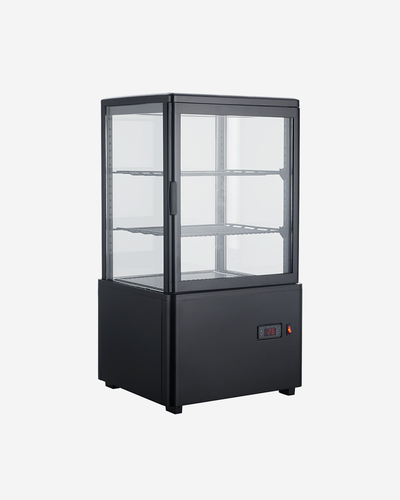
.jpg?imageView2/2/w/500/h/500/format/jp2/q/100 "Four Sides Glasses Display Cooler")
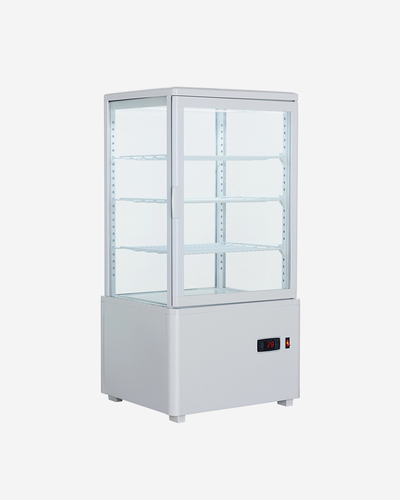
.jpg?imageView2/2/w/500/h/500/format/jp2/q/100 "White 4-Sided Glass Refrigerated Display Case")
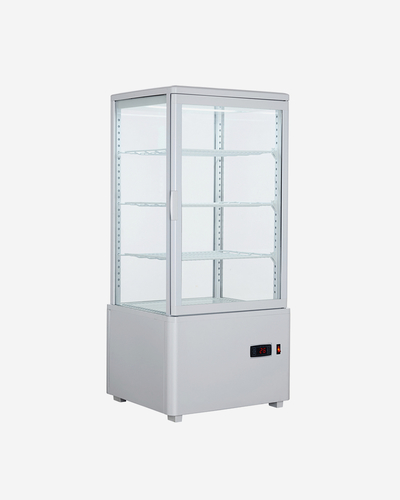
.jpg?imageView2/2/w/500/h/500/format/jp2/q/100 "Refrigerated Display Cake Countertop Four Sides Glasses Display Cooler")
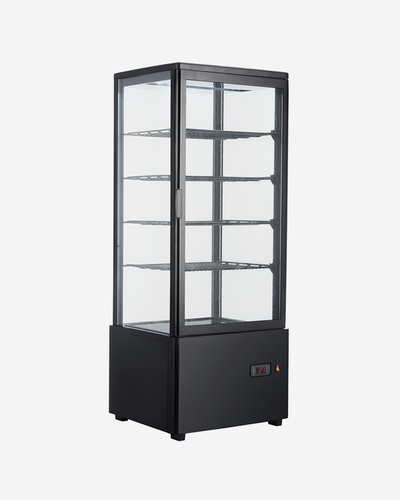
.jpg?imageView2/2/w/500/h/500/format/jp2/q/100 "Four Sides Glasses Display Cooler")

-
- Navigation
- Home
- About Us
- Products
- News
- Contact Us
 East Zone, Guanhaiwei Industrial Park, Cixi City, Ningbo, Zhejiang, China
 +86-574-63668678
 +86-574-63668108
Copyright © Ningbo XiangChi Electrical Co.,Ltd All Rights Reserved.
