
 简体中文
简体中文 English
 Español
News
Why Is the Energy-Efficient Countertop Display Refrigerator Becoming the Ultimate 'Silent Salesman' for Boosting Modern Retail Impulse Sales?
Retailers across grocery stores, convenience shops, cafes, and specialty markets have long understood the power of placing cold beverages, snacks, and perishable items directly in front of customers at the point of purchase. This merchandising strategy, known as impulse-driving display, relies on countertop coolers that keep products visibly chilled and easily accessible near checkout counters or high traffic areas. As energy costs rise and sustainability becomes a business priority, energy-efficient impulse-driving countertop display coolers have emerged as an essential tool that combines effective merchandising with responsible energy consumption.
This article explores what energy-efficient impulse-driving countertop display coolers are, how they function, why they matter for both sales performance and operating costs, and what businesses should consider when selecting and maintaining these units for long term success.
Understanding Energy-Efficient Impulse-Driving Countertop Display Coolers
Countertop display coolers are compact refrigeration units designed to sit on counters, checkout lanes, or small footprint retail spaces while keeping beverages, snacks, dairy products, or other perishable items at optimal temperatures. Unlike large walk-in refrigerators or upright display cases located in the back of a store, countertop coolers are specifically positioned to capitalize on impulse purchasing behavior, the tendency of customers to add a cold drink or quick snack to their purchase simply because it is visible and conveniently placed near the register.
The term impulse-driving in this context refers directly to the merchandising function of these coolers. Their placement near checkout counters, cafes, or self service areas is intentional, designed to trigger spontaneous purchasing decisions in the final moments before a customer completes a transaction. Energy-efficient models take this proven retail strategy and pair it with refrigeration technology that minimizes electricity consumption, reduces heat output into the surrounding space, and lowers the total cost of ownership over the life of the unit.
Core Design Features
Energy-efficient impulse-driving countertop display coolers share several defining design characteristics that distinguish them from standard refrigeration units.
| Feature | Purpose |
|---|---|
| Compact footprint | Fits on counters or checkout lanes without consuming valuable floor space |
| Curved or flat glass display | Maximizes product visibility to encourage impulse purchases |
| LED interior lighting | Illuminates products attractively while consuming minimal electricity |
| High efficiency compressor | Maintains consistent cooling while reducing overall power draw |
| Insulated cabinet construction | Reduces heat transfer, allowing the compressor to cycle less frequently |
| Digital temperature controls | Allows precise temperature management and energy optimization |
| Low energy glass doors | Reduces cold air loss compared to open air display models |
These design elements work together to create a unit that performs the dual function of attracting customer attention while operating with minimal environmental and financial impact. The combination of visual merchandising and energy conscious engineering is what sets modern countertop display coolers apart from older, less efficient refrigeration equipment still found in many retail environments.
How These Coolers Differ from Standard Refrigeration Units
Traditional commercial refrigerators are typically designed with capacity and storage as the primary goals, often sacrificing visibility and energy efficiency in favor of holding large volumes of product. Countertop display coolers, by contrast, prioritize a smaller, highly visible storage capacity combined with efficient cooling technology suited to their compact size.
Because these units are smaller, they inherently use less energy than large refrigeration systems, but energy-efficient models go further by incorporating advanced insulation, optimized compressor cycling, and low heat lighting that together reduce power consumption well beyond what size reduction alone would achieve. This makes them particularly well suited to businesses that want to maximize the sales impact of cold impulse items without significantly increasing their overall electricity costs.
Common Applications Across Industries
Energy-efficient impulse-driving countertop display coolers are used across a wide variety of retail and hospitality settings, including the following.
- Convenience stores placing cold beverages near the checkout counter
- Grocery stores featuring single serve dairy products or ready to eat snacks at the register
- Coffee shops and cafes displaying bottled drinks, desserts, or cold brew options near the ordering counter
- Bakeries showcasing chilled pastries, sandwiches, or beverages alongside the point of sale
- Pharmacies and drug stores offering grab and go cold drinks and snacks near checkout
- Office cafeterias and break rooms providing convenient access to cold beverages and snacks
- Hotel lobbies and front desks offering quick access to bottled water and refreshments
In each of these settings, the combination of strategic placement and energy efficient operation allows businesses to drive incremental sales while keeping operating expenses under control, a balance that has become increasingly important as both energy prices and consumer expectations around sustainability continue to rise.
Why Energy Efficiency Matters in Impulse-Driving Display Refrigeration
Energy efficiency has moved from a secondary consideration to a primary purchasing factor for businesses investing in countertop display coolers. Several distinct factors explain why this shift has occurred and why it matters for long term business performance.
Reducing Operating Costs
Refrigeration units that run continuously, as countertop display coolers typically do, can represent a significant portion of a small business's electricity bill, particularly when multiple units are deployed across several checkout lanes or locations. Energy-efficient models, through improved insulation, optimized compressor technology, and low power lighting, can reduce electricity consumption substantially compared to older or less efficient units. Over the multi-year lifespan of a cooler, these savings can accumulate into a meaningful reduction in overall operating expenses.
Lowering Heat Output and Cooling Load
Inefficient refrigeration equipment generates more waste heat as a byproduct of operation. In retail environments, this excess heat can increase the workload on building air conditioning systems, particularly during warmer months, creating a compounding effect where inefficient coolers indirectly raise the cost of climate control throughout the store. Energy-efficient countertop coolers minimize this secondary cost by generating less waste heat during normal operation.
Supporting Sustainability Goals
Many businesses today are actively working to reduce their environmental footprint, whether to meet corporate sustainability targets, satisfy consumer expectations, or comply with emerging regulations around energy consumption and refrigerant use. Deploying energy-efficient display coolers contributes directly to these goals by reducing the electricity demand and associated carbon emissions tied to in-store refrigeration.
Meeting Regulatory and Certification Standards
In many regions, commercial refrigeration equipment is subject to minimum energy efficiency standards, and units that exceed these standards may qualify for recognized efficiency certifications. Businesses that prioritize certified energy-efficient equipment can often benefit from utility rebate programs, tax incentives, or recognition that supports broader corporate sustainability reporting and marketing efforts.
Extending Equipment Lifespan
Energy-efficient compressors and cooling systems are often engineered to cycle on and off more intelligently rather than running continuously at full capacity. This reduced mechanical strain can contribute to longer equipment lifespan and fewer maintenance issues over time, further enhancing the overall return on investment for businesses that choose efficient models.
Enhancing the Customer Experience
Energy-efficient coolers are often quieter than older refrigeration units, since improved compressor technology and insulation reduce both the frequency and intensity of compressor cycling noise. In a quiet checkout environment or a small cafe space, this reduction in operational noise contributes to a more pleasant customer experience, an often overlooked benefit of efficient equipment design.
Balancing Merchandising Impact with Operational Efficiency
One of the central challenges of impulse-driving display refrigeration is maintaining the visual appeal and accessibility that drives sales while controlling the energy costs associated with the bright lighting, clear glass surfaces, and frequent door openings that come with high customer interaction. Energy-efficient models are specifically engineered to maintain this balance, ensuring that the merchandising benefits of an attractive, accessible display are not undermined by excessive energy consumption.
Key Considerations for Selecting and Maintaining These Coolers
Choosing the right energy-efficient impulse-driving countertop display cooler, and maintaining it properly once installed, requires attention to several technical and practical factors that influence both performance and long term cost savings.
Evaluating Compressor Technology
The compressor is the heart of any refrigeration unit, and its efficiency has a direct impact on overall energy consumption. Modern energy-efficient countertop coolers often use variable speed or inverter compressors, which adjust their cooling output based on real time demand rather than cycling on and off at a single fixed speed. This allows the unit to maintain consistent internal temperatures while consuming less energy compared to traditional fixed speed compressors that must fully power on and off repeatedly.
Assessing Insulation Quality
High quality insulation reduces the rate at which cold air escapes and warm air infiltrates the cooler cabinet, directly reducing how often the compressor needs to cycle to maintain target temperatures. When evaluating countertop display coolers, businesses should consider the insulation thickness and material used in the cabinet walls, as well as the quality of door seals and gaskets, since even small gaps can significantly increase energy consumption over time.
Lighting Considerations
LED lighting has become the standard for energy-efficient display coolers due to its low power consumption and minimal heat output compared to older fluorescent or incandescent lighting options. Beyond energy savings, LED lighting also tends to provide more even, attractive illumination of displayed products, enhancing the visual merchandising impact that makes these coolers effective sales tools in the first place.
Glass Door Versus Open Front Designs
Countertop display coolers are available in both glass door and open front configurations. Glass door models retain cold air more effectively, reducing energy consumption, but may slightly reduce the immediate tactile accessibility that some impulse purchases rely on. Open front models maximize accessibility and visual appeal but typically require more energy to maintain temperature due to constant air exposure. Businesses should weigh the merchandising priorities of their specific products against the energy implications of each design when selecting a unit.
Temperature Control and Monitoring Features
Digital temperature controls allow for precise management of internal cooling, helping avoid the energy waste associated with overcooling. Some advanced models include monitoring features that track energy usage, alert staff to door seal issues, or provide diagnostic data that can help identify maintenance needs before they result in costly breakdowns or temperature excursions that could spoil product.
Refrigerant Selection
The type of refrigerant used in a countertop display cooler affects both its environmental impact and its long term regulatory compliance. Many newer energy-efficient models use refrigerants with lower global warming potential compared to older refrigerant types, aligning with both environmental goals and evolving regulatory requirements in many regions. Businesses should confirm the refrigerant type used in any unit under consideration, particularly if sustainability reporting or regulatory compliance is a priority.
Sizing the Unit Appropriately
Selecting a countertop cooler that is appropriately sized for its intended product range and customer traffic is an important efficiency consideration in itself. An oversized unit relative to its actual usage will consume more energy than necessary, while an undersized unit may struggle to maintain consistent temperatures under frequent door openings and high product turnover. Matching the unit size to actual business needs helps optimize both merchandising effectiveness and energy performance.
Placement and Ventilation
Where a countertop cooler is physically placed within a store can significantly affect its energy consumption. Units placed in direct sunlight, near heat generating equipment, or in poorly ventilated areas will need to work harder to maintain internal temperatures, increasing energy use. Ensuring adequate clearance around the unit for proper airflow, and avoiding placement near ovens, heaters, or direct sun exposure through windows, helps the cooler operate at peak efficiency.
Routine Maintenance Practices
Even the most energy-efficient cooler will gradually lose performance without proper maintenance. Several practices help preserve efficiency over the equipment's lifespan.
- Regularly cleaning condenser coils to prevent dust buildup that forces the compressor to work harder
- Inspecting and replacing worn door seals or gaskets that allow cold air to escape
- Defrosting and cleaning interior surfaces according to manufacturer recommendations
- Checking that the unit is level and that ventilation openings remain unobstructed
- Monitoring internal temperatures periodically to confirm the unit is operating within its intended range
- Scheduling professional servicing for compressor and refrigerant system checks as recommended by the manufacturer
Consistent maintenance not only preserves energy efficiency but also extends the operational lifespan of the unit, reducing the frequency and cost of equipment replacement over time.
Calculating Return on Investment
Businesses evaluating energy-efficient countertop display coolers should consider not only the upfront purchase price but the total cost of ownership over the expected lifespan of the unit. This includes electricity consumption, maintenance costs, and the incremental sales revenue generated through effective impulse merchandising. In many cases, the higher upfront cost of an energy-efficient model is offset within a relatively short period through reduced electricity bills, particularly for businesses operating multiple units across several checkout locations or store branches.
| Cost Factor | Standard Cooler | Energy-Efficient Cooler |
|---|---|---|
| Upfront purchase price | Typically lower | Typically higher |
| Annual electricity cost | Higher due to less efficient components | Lower due to optimized insulation and compressor technology |
| Maintenance frequency | Potentially higher due to compressor strain | Potentially lower due to reduced mechanical wear |
| Expected lifespan | Variable, often shorter under heavy use | Often extended due to optimized cycling |
While individual results vary depending on usage patterns, climate, and electricity rates, the general trend across the industry shows that energy-efficient models tend to deliver favorable long term value despite a higher initial investment.
Training Staff on Proper Usage
Even a highly efficient cooler can underperform if staff are not trained on proper usage practices. Encouraging employees to minimize unnecessary door openings, promptly restock products to reduce extended door access time, and report any unusual noises, frost buildup, or temperature inconsistencies can help maintain optimal energy performance and catch potential issues before they escalate into costly repairs or product loss.
Future Trends in Display Cooler Technology
As refrigeration technology continues to evolve, several trends are shaping the future of energy-efficient impulse-driving countertop display coolers. Smart connectivity features are increasingly allowing remote monitoring of temperature, energy consumption, and maintenance alerts through mobile applications or centralized dashboards, particularly valuable for businesses managing multiple locations. Continued refinement of low global warming potential refrigerants is also expected to further reduce the environmental footprint of these units. Additionally, advances in insulation materials and compressor design are likely to continue improving energy performance without compromising the visual appeal that makes these coolers effective merchandising tools.
Conclusion
Energy-efficient impulse-driving countertop display coolers represent a practical intersection of retail merchandising strategy and responsible energy management. By combining attractive, accessible product display with advanced refrigeration technology designed to minimize electricity consumption, these units allow businesses to drive incremental sales at the point of purchase while keeping operating costs and environmental impact under control. Careful selection based on compressor technology, insulation quality, lighting, and appropriate sizing, paired with consistent ongoing maintenance, ensures that businesses realize the full value of their investment over the long term. As energy costs and sustainability expectations continue to shape retail operations, these coolers stand out as a smart, dual purpose solution that supports both the bottom line and broader environmental responsibility.
You May Also Like
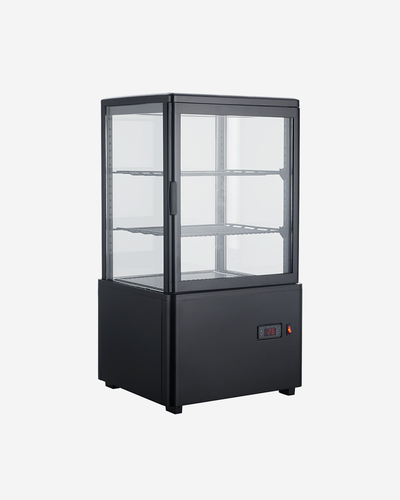
.jpg?imageView2/2/w/500/h/500/format/jp2/q/100 "Four Sides Glasses Display Cooler")
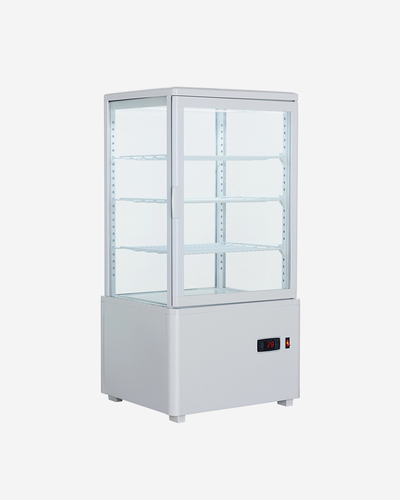
.jpg?imageView2/2/w/500/h/500/format/jp2/q/100 "White 4-Sided Glass Refrigerated Display Case")
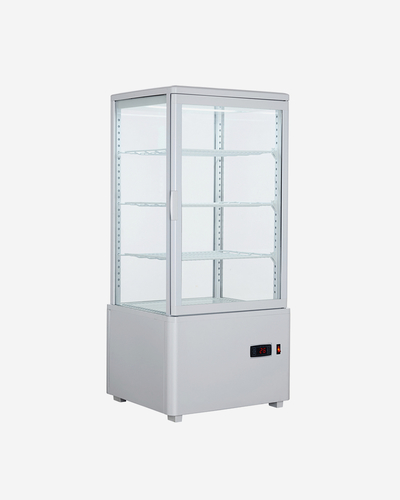
.jpg?imageView2/2/w/500/h/500/format/jp2/q/100 "Refrigerated Display Cake Countertop Four Sides Glasses Display Cooler")
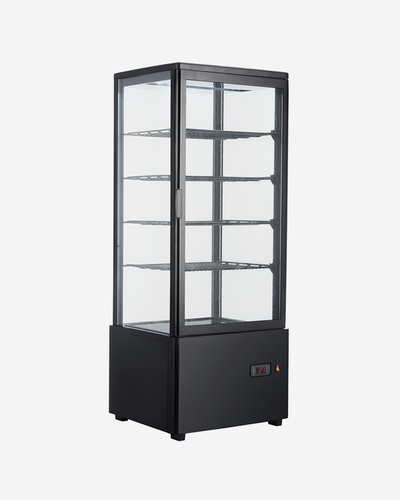
.jpg?imageView2/2/w/500/h/500/format/jp2/q/100 "Four Sides Glasses Display Cooler")

-
- Navigation
- Home
- About Us
- Products
- News
- Contact Us
 East Zone, Guanhaiwei Industrial Park, Cixi City, Ningbo, Zhejiang, China
 +86-574-63668678
 +86-574-63668108
Copyright © Ningbo XiangChi Electrical Co.,Ltd All Rights Reserved.
