
 简体中文
简体中文 English
 Español
News
Why Are 360° Panoramic Display Coolers Becoming the Essential Tool for Modern Retail Brand Activation?
Retail refrigeration has moved well beyond simple flat fronted glass doors. A 360° panoramic display cooler is designed to show chilled products from every viewing angle, turning a refrigerator into an active merchandising tool rather than a passive storage unit. These coolers are increasingly common in convenience stores, supermarkets, bakeries, and specialty shops where the visual presentation of cold drinks, desserts, or fresh items directly influences purchasing decisions.
What Is a 360° Panoramic Display Cooler
A panoramic display cooler is a refrigerated cabinet built with curved or fully cylindrical glass that allows shoppers to see the product from front, back, and sides without obstruction. Many models include a rotating turntable shelf inside the unit, so items slowly spin into view even when no one walks around the cabinet. This combination of clear glass paneling and motion creates a more engaging shopping experience compared to traditional upright coolers with a single viewing side.
The defining feature of this cooler category is unobstructed visibility from every angle, achieved through curved glass construction and, in many models, a slow rotating internal shelf that keeps products continuously visible to passing customers.
Core Design Features
Curved or Cylindrical Glass Construction
Instead of flat panels, panoramic coolers use bent or molded glass that wraps around the cabinet. This design eliminates the corner frames and support bars found on standard units, removing visual obstructions and giving products a showcase style presentation similar to a museum display case.
Rotating Display Shelves
Many units include a motorized turntable that rotates at a slow, steady speed. This keeps every product facing the customer at some point during the rotation cycle, which is particularly useful for high margin items such as bottled beverages, cakes, sushi, or seasonal merchandise that benefit from constant visibility.
LED Lighting Integration
Because visual appeal is central to this cooler type, LED strips are commonly built into the top, base, or shelf edges to illuminate products evenly without generating excess heat inside the cabinet. Cool toned or adjustable LED lighting helps maintain accurate product color, which is especially important for fresh food and beverage displays.
Insulated and Energy Efficient Cooling Systems
Despite the large glass surface area, modern panoramic coolers rely on multi pane insulated glass and efficient compressor systems to maintain stable internal temperatures. Many models also include digital temperature controls and automatic defrost cycles to reduce energy consumption while keeping products within a safe temperature range.
Where These Coolers Are Commonly Used
The format is popular anywhere visual merchandising drives sales. Convenience stores use panoramic coolers near checkout counters to encourage impulse beverage purchases. Bakeries and patisseries use them to showcase cakes and pastries as a centerpiece display. Supermarkets place them in beverage or dairy sections to highlight promotional products. Flower shops and florists use refrigerated panoramic units to display bouquets while keeping them fresh. Sushi counters and delis also use rotating display coolers to present prepared food attractively while maintaining food safety temperatures.
Comparing Panoramic Coolers to Standard Display Units
| Feature | 360° Panoramic Cooler | Standard Flat Door Cooler |
|---|---|---|
| Viewing angle | Full surround visibility | Single front facing view |
| Product rotation | Often motorized turntable | Static shelving |
| Best use case | Merchandising and impulse sales | Bulk cold storage and retrieval |
| Footprint | Compact, often cylindrical | Rectangular, space efficient for rows |
| Lighting emphasis | High, integrated for display | Functional, less decorative |
Key Factors When Choosing a Panoramic Display Cooler
Selecting the right unit depends on the type of product being displayed and the available floor space. Beverage focused retailers typically prioritize larger capacity and faster recovery temperatures to keep drinks cold during frequent door openings, while bakeries and florists often prioritize gentler temperature zones and slower rotation speeds suited to delicate items. Footprint is another important consideration, since cylindrical units often require less linear wall space than a row of flat coolers while still holding a comparable amount of product. Energy rating and insulation quality should also be reviewed carefully, as the curved glass surface area can affect overall efficiency if the unit is not well insulated.
Maintenance and Care
Because the glass surface is central to the product's purpose, regular cleaning is necessary to maintain a clear, smudge free appearance for customers. Condenser coils and ventilation areas should be checked periodically to prevent dust buildup that can reduce cooling efficiency. The rotating mechanism, where present, benefits from occasional inspection to ensure smooth and quiet operation, since a sticking or noisy turntable can detract from the premium display effect the unit is designed to create. Routine temperature monitoring also helps confirm that stored products remain within safe limits despite the additional heat load introduced by integrated lighting.
A 360° panoramic display cooler blends refrigeration performance with merchandising design, giving retailers a way to present chilled products attractively from every angle. By combining curved glass construction, optional rotating shelves, integrated lighting, and efficient insulation, these coolers help turn everyday cold storage into a visual centerpiece that supports both product freshness and sales performance.
You May Also Like
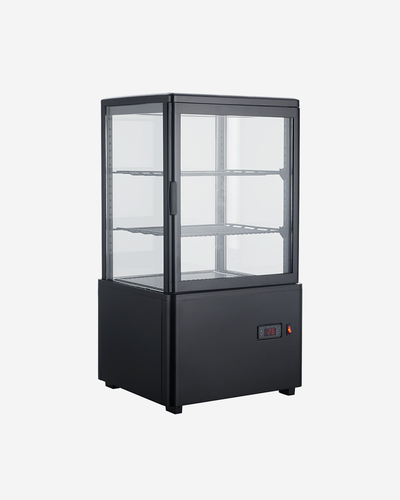
.jpg?imageView2/2/w/500/h/500/format/jp2/q/100 "Four Sides Glasses Display Cooler")
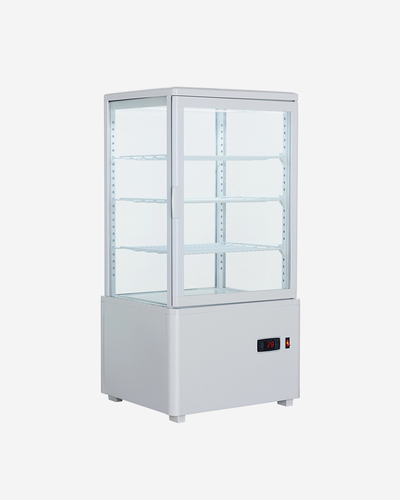
.jpg?imageView2/2/w/500/h/500/format/jp2/q/100 "White 4-Sided Glass Refrigerated Display Case")
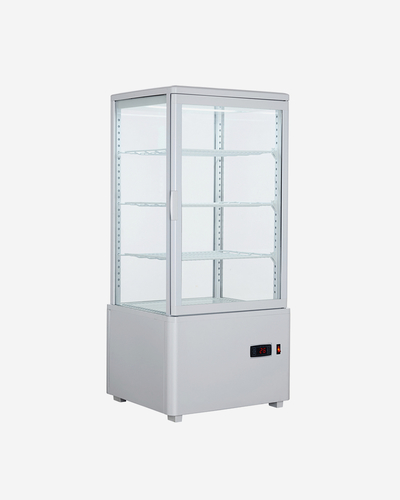
.jpg?imageView2/2/w/500/h/500/format/jp2/q/100 "Refrigerated Display Cake Countertop Four Sides Glasses Display Cooler")
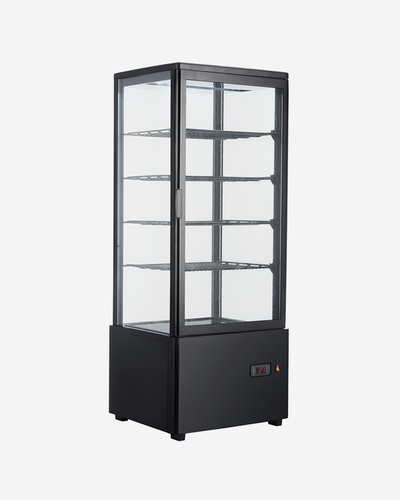
.jpg?imageView2/2/w/500/h/500/format/jp2/q/100 "Four Sides Glasses Display Cooler")

-
- Navigation
- Home
- About Us
- Products
- News
- Contact Us
 East Zone, Guanhaiwei Industrial Park, Cixi City, Ningbo, Zhejiang, China
 +86-574-63668678
 +86-574-63668108
Copyright © Ningbo XiangChi Electrical Co.,Ltd All Rights Reserved.
